
Album review: Shabaka and The Ancestors – We Are Sent Here By History

By Butchie Seroto
31 Mar 2020 - 12:53


There’s urgent contemplation in spiritual jazz band Shabaka and The Ancestors’ sophomore album We Are Sent Here By History. It can be heard on the album's opening song, ‘They Who Must Die’ – an immediate bold statement that sets a precedent of pulsating tempos, stabbing basslines, unsettling sax melodies and rumbling drums.
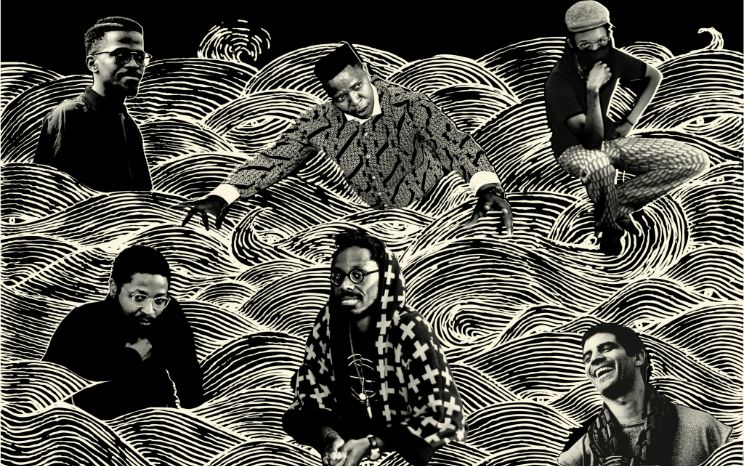
The band’s 2016 debut Wisdom of the Elders warned against an impending societal collapse and We Are Sent Here By History unfolds with major social commentary. The latter offering is darker and more relentless.
The introspective album is presented as a modern version of the griot – the ancient African storyteller responsible for recounting history. And it’s steeped in the cultural aesthetic of Afrofuturism through its quest to unscramble the future by questioning the past.
Last year, the sextet reunited in Johannesburg and Cape Town to record the album. Restless jazz warrior and bandleader Hutchings had been focusing on his work with Sons of Kemmet, before returning to The Ancestors to embark on another spiritual odyssey. Shabaka has been in and out of SA since trumpeter Mandla Mlangeni introduced him to his future bandmates in 2016, which led to their debut album, recorded in less than 24 hours. Following in the footsteps of John Coltrane – one of Impulse! Record’s first signees – We Are Sent Here By History is the band’s first release under the renowned jazz label.
The album was conceptualised as a lengthy sonic poem inspired by Siyabonga Mthembu’s chants, from which Hutchings penned the song titles and lyrics. Much like his other projects, the album follows Shabaka’s boundary-breaking style. It fuses Afro-Caribbean traditions with tribal sensations. He also draws influence from Afrofuturism pioneer and avant-garde jazz legend Sun Ra and his signature mixes of Fender Rhodes and piano – delivered by Nduduzo Makathini and Thandi Ntuli.
The spiritual journey is often overcast with dark and energetic elements creating sombre but meandering moments. The relentlessness can be heard again on ‘Behold, The Deceiver’ with stylistic influences from Sun Ra’s aggressive keyboard attacks and arbitrary sounds – and again on ‘Beasts Too Spoke of Suffering’, where the eerie instrumentation emits primal screams. Here there’s also a Scandinavian jazz feel in the intro, which is quickly disrupted by Tumi Mogorosi’s tumbling beat.
Mthembu recites a poem in Zulu on ‘We Will Work (On Redefining Manhood)’ that shuns the archaic notions of small children being taught to suppress their emotions and suffer in silence. “Do not cry, do not grieve, do not hurt,” it repeats. The prominent trumpet summons ‘The Coming of the Strange Ones’ with various shifts of rhythmic accents.
The album’s music is highly engaging with a marked fusion of jazz styles, including the progressive nature of Miles Davis’ Bitches Brew era, making for a modern explosion of creativity but still staying true to the classic essentials that purists will enjoy.
[video:https://www.youtube.com/watch?v=Crhs76o9mvw width:744 height:466 autoplay:0]


Most popular
Open call: AIR Festival 2026 seeks local talent in Knysna
04 Feb 2026
AI music firms, major labels clash over ‘Walled Garden’ model
04 Feb 2026

YouTube restricts background play to Premium users across all browsers
04 Feb 2026

Bruce Resnikoff appointed UMe chairman, Jamie Krents named CEO
04 Feb 2026
Interview: South African artist Nomisupasta
03 Feb 2026

Apple Music flags 2 billion fraudulent streams amid AI audio surge
03 Feb 2026

Disclaimer: Music In Africa provides a platform for musicians and contributors to embed music and videos solely for promotional purposes. If any track or video embedded on this platform violates any copyrights please inform us immediately and we will take it down. Please read our Terms of Use for more.

Subscribe to our monthly Newsletter
Follow us on social media


Please log in to post a comment.