
African artists rush to cover Adele’s hit ‘Hello’

By In-house East Africa
12 Jan 2016 - 07:21


Cover versions of popular songs have been popular in the music world since the early days of rock 'n roll in the 1950s. Traditionally, covers have carried a negative connotation. For some, they are viewed as a less talented and successful act “stealing” the superior work of the composer to make quick money. Currently, however, cover versions are seen as one artist paying tribute to another in a show of admiration.

British artist Adele’s single ‘Hello’, released in October 2015, has seen artists the world over do cover versions of the hit song – and African artists have not been left out. Numerous Kenyan artists, including Dela Maranga, Jimmy Gait, Titus Wainaina and Wambui (aka Poetic B), have recorded their own cover versions of the song, showing how the hit can be redone in indigenous Kenyan languages – some to much acclaim, others to some ridicule. Just like in Kenya, Nigeria has witnessed more artists releasing their own covers of the songm with other the likes of Praiz, Omawumi and Ruby Gyang also doing their own versions. In Southern Africa too, Zimbabwean acts Taps Mugadza and Buffalo Souljah have also released covers and videos of the track, finding plenty of success.
With the promise of instant recognition without the hassle of having to actually write an original song, covering ‘Hello’ has proven to be a relatively sure-fire way for African artists to boost their careers. In Nigeria, as in Kenya, where audiences have been waiting to see who makes the next version of the song, one fan was even prompted to ask Davido when he would be releasing his cover version. Whether or not the Nigerian superstar delivers remains questionable, but judging by the endless stream of artists all over the world covering the song, it seems clear that more artists are set to follow suit.
[video:https://www.youtube.com/embed/I3dOhbkcvWQ autoplay:0]
[video:https://www.youtube.com/embed/mkX8LonuGME autoplay:0]
[video:https://www.youtube.com/embed/yScs35vwEhc autoplay:0]
[video:https://www.youtube.com/embed/KUha55sUBGQ autoplay:0]
[video:https://www.youtube.com/embed/-evuKPEp3KE autoplay:0]
[video:https://www.youtube.com/embed/RqakJvNNjwg autoplay:0]
Buffalo Souljah (Zimbabwe)
[video:https://www.youtube.com/embed/12ArvcBX8fQ autoplay:0]
[video:https://www.youtube.com/embed/FyCQ0UTdl1I autoplay:0]
[video:https://www.youtube.com/embed/GVqXmG7R96c autoplay:0]
[video:https://www.youtube.com/embed/I5sC6aLn-OU autoplay:0]
The genesis of cover versions
While everyone talks about cover versions in the present day, online publication Askmetafilter says the word “cover” is now used by music writers and music fans incorrectly. According to the site, “They use it to describe any attempt by an artist to perform old songs or previously recorded material. The use of this term gives them a bit of authority since it makes them sound like they are in the music business. They are in fact ignorant of what a cover version of a song really is.”
The word “cover” dates back to the invention of the radio and the widespread of racism that the USA was built on. During the 1920s and 1930s, there were no radio stations catering specifically to black audiences. Radio stations were owned and run by white executives and as such catered to white audiences. As the American music scene changed, music made by black artists attracted growing interest. However, because of the racist infrastructure in place, white radio executives refused to play songs by black artists on their stations. So record executives would recruit a white band to come to the studio and record the exact same song so it could be played on the white station.
For much of the 1950s and 1960s, “covering” became an easy way for white artists to “cover” up the first release with a white radio-friendly version, which would often become the more popular version. Elvis Presley’s ‘Hound Dog’ is an example of a cover that became popular. Originally recorded by Willie Mae ‘Big Mama’ Thornton in 1953, the 1956 version of the song by Presley became a chart-topping best seller.
Today, even though people might feel otherwise about cover versions, it remains a great way for artists to present songs to audiences who might have not been able to listen to the original because of the genre or the language.


Most popular
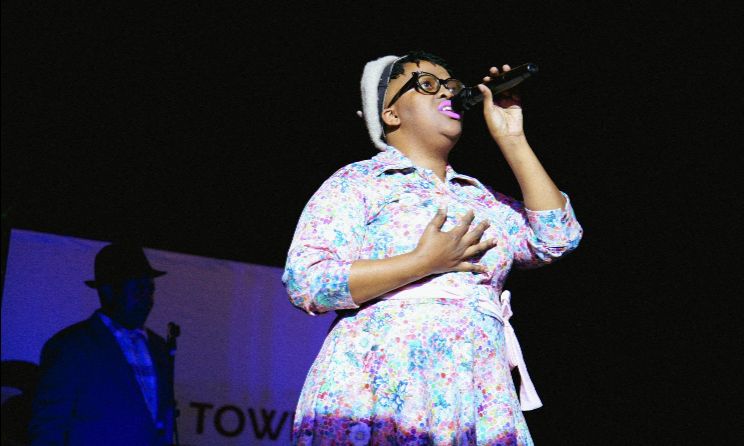
Open call: AIR Festival 2026 seeks local talent in Knysna
04 Feb 2026
AI music firms, major labels clash over ‘Walled Garden’ model
04 Feb 2026

YouTube restricts background play to Premium users across all browsers
04 Feb 2026
Bruce Resnikoff appointed UMe chairman, Jamie Krents named CEO
04 Feb 2026
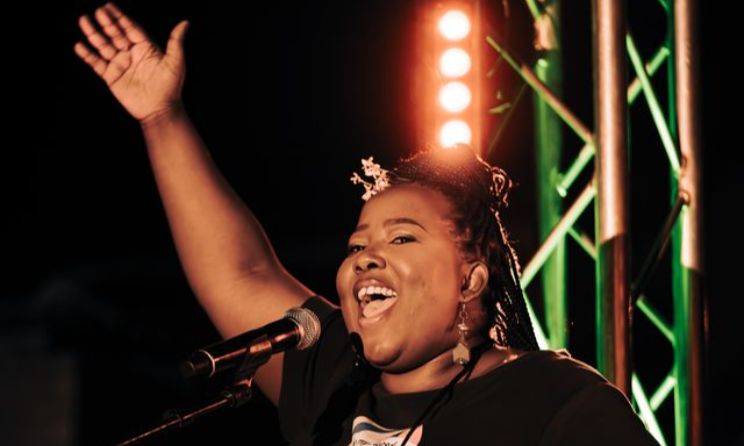
Interview: South African artist Nomisupasta
03 Feb 2026

Apple Music flags 2 billion fraudulent streams amid AI audio surge
03 Feb 2026

Disclaimer: Music In Africa provides a platform for musicians and contributors to embed music and videos solely for promotional purposes. If any track or video embedded on this platform violates any copyrights please inform us immediately and we will take it down. Please read our Terms of Use for more.

Subscribe to our monthly Newsletter
Follow us on social media


Please log in to post a comment.