


Projects
NEFCISA
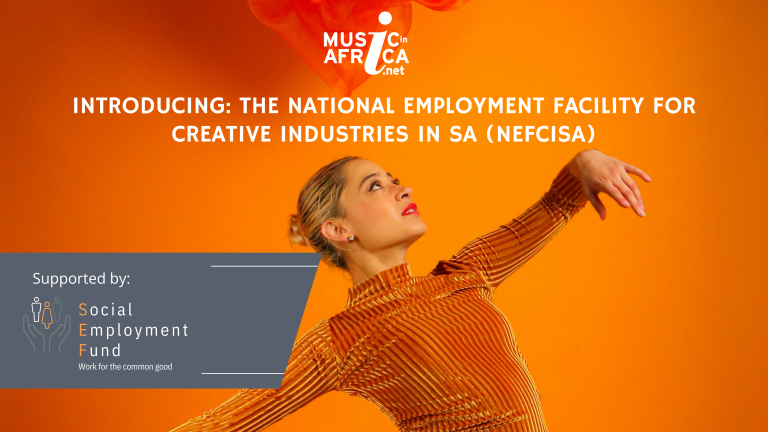
The Music In Africa Foundation (MIAF) is proud to announce its partnership with the Industrial Development Corporation (IDC) as a Strategic Implementing Partner (SIP) for its Social Employment Fund (SEF). Through this collaboration, MIAF is launching a new national programme designed to create jobs, address skills gaps, and strengthen South Africa’s creative industries — in line with the SEF’s overarching goal to generate work for the common good and build community value through employment, social contribution, and inclusive economic participation. Operating under the banner NEFCISA (National Employment Facility for Creative Industries in South Africa), the initiative will recruit and train participants, match them with host organisations, and place a minimum of 1 000 workers across the country. Key Objectives: Support employment and entrepreneurship in the creative industries. Offer skills development and training programmes. Foster partnerships between public and private creative sectors. Promote South African creativity at both provincial and national levels Foster community development through social contribution.
ACCES
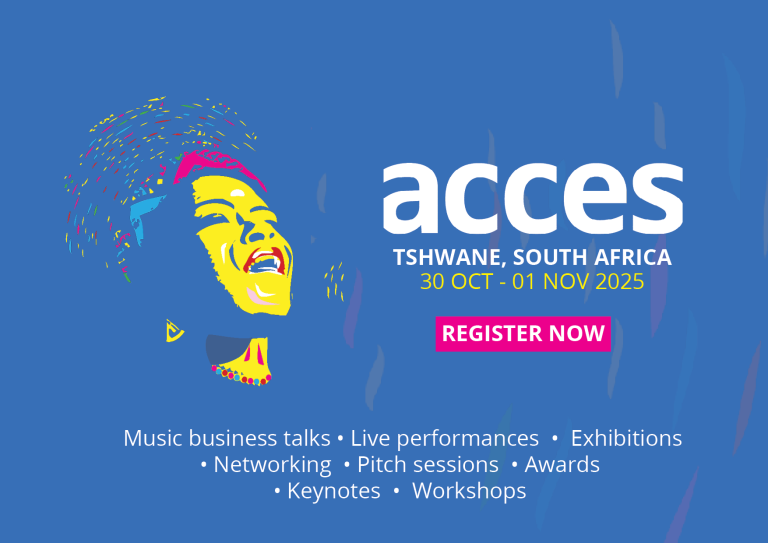
ACCES has stamped its authority as Africa’s leading music trade event. At the 2019 edition in Accra, the conference brought together more than 1 200 delegates from about 50 countries on the continent and beyond. The conference also hosted 76 showcasing artists from Africa and the diaspora, who got to perform for an influential audience at two top live venues in the Ghanaian capital. Apart from live showcases, the event features panel discussions, presentations, exhibitions, pitch sessions, Q&A sessions with prominent musicians and visits to key music industry hubs in the host city. Many of these activities will be planned for ACCES 2021, with the ACCES team already exploring a tailor-made programme that will cater for the specific needs of the local music industry amid the pandemic. ACCES is organised by the Music In Africa Foundation, a non-profit and pan-African organisation, in partnership with Siemens Stiftung and Goethe-Institut.
Gender@Work
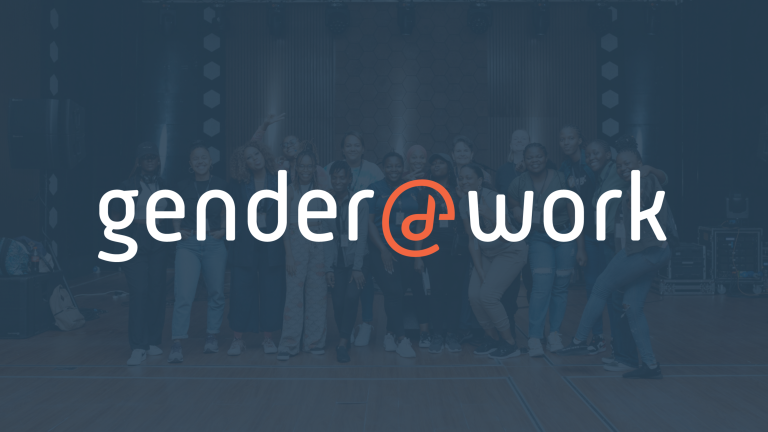
Music In Africa Gender @ Work is a three-year training programme aimed at upskilling and increasing the participation of female professionals in the African music sector. Launched by the Music In Africa Foundation (MIAF) in April 2019, the programme is connected to the MIAF’s ACCES music conference – a pan-African event held in a different African country every year. This connection enables the programme to reach new participants in a different African country every year. The programme marks the beginning of a more concerted effort by the Foundation to support the participation and inclusion of women in all facets of its programmes and the music sector in Africa as a whole. Over the three years, the programme will aim to address gender imbalances in the sector through training, lobbying, facilitating knowledge exchange and dialogues that foster the interest of women. The broader objectives of the programme are to: Provide industry training for women on critical music industry skills, focusing on: Stage management Electronic music production and recording Music business management Technical knowledge Provide an opportunity for both professional and aspiring women to benefit from the Music In Africa network and its broad range of activities in 2019, 2020 and 2021. Provide a solution-based platform in the form of a round table at ACCES with a view to identify challenges, discuss opportunities and lobby for the interests of female practitioners. Offer participants the opportunity to benefit from programmes offered by MIAF’s partners. Increase access to educational materials. Integrate participants in the broader ACCES programme to maximise experience and exposure to the industry. Record and present training materials on the www.musicinafrica.net, including but not limited to tutorials, templates and other best-practice materials. Communicate women-based themes that support the initiatives and messages of the programme. MAIN TRAINING ACTIVITIES Training in first country (Ghana): In the first year, participants will be trained on all aspects of stage management by a team of experienced stage managers from 10 to 17 November 2019. The programme will offer robust classroom training as well as practical, hands-on training in which participants will also be given the opportunity to manage various aspects of the ACCES performance programme. Training in second country: The second training iteration will take place at ACCES 2020 when the programme will diversify its course to include music production lessons and training on other music business topics. A round-table platform will also be introduced to coincide with the ACCES programme. Training in third country: The third training iteration will take place at ACCES 2021 in a different country, offering an advanced course. HOW DO YOU GET INVOLVED? As a participant, facilitator or trainer: The programme enrolls up to 12 trainees every year. All opportunities are advertised publicly on this website, and will be added to this page. Please keep checking this page for new calls (below under UPDATES & CURRENT OPPORTUNITIES). As a partner Please contact Claire Metais at claire@musicinafrica.net. APPLY The call for applications for 2020 will be announced soon. The Music In Africa Gender @ Work programme is made possible with the support of the Prince Claus Fund, Siemens Stiftung and Goethe-Institut.
Sound Connects Fund
For cultural and creative practitioners and organisations operating in southern Africa, access to funding remains a major challenge. The COVID-19 pandemic has also had a massive impact on government policy, spending and the economy in general, and has seen spending on culture being moved further down the list of priorities. Further, the cultural and creative industries repeatedly cite four main areas where investment is needed for growth, which are increased visibility, mobility including access to new markets, finance and support structures.

Music In Africa Live
Thousands of African musicians have been affected by the COVID-19 pandemic which has introduced unprecedented lockdowns and restrictions across the continent. African musicians and professionals traditionally make a living from live performances, and now they find themselves in extreme difficulty. While social media platforms offer alternative avenues for operators to broadcast their works seamlessly, many musicians are failing to make ends meet. Additionally, most musicians do not have the adequate skills, equipment and resources required to stage successful digital performances and in general, to navigate the many challenges occasioned by COVID-19. The pandemic requires the sector to devise strong support mechanisms that can ignite a digital live music ecosystem that is able to offer competitive high-quality products and ensure that African musicians are able to earn. The main goal of Music In Africa Live is to enable musicians to earn income from digital live performances at a time when many of them have lost their usual income due to the pandemic. The other focus of the project is to develop critical skills among professionals to enable them to navigate the difficult times. The project will have three main actions, which are to: Financially support practitioners to stage high quality live productions on the condition that funds from the project are used to offer musicians paid gigs to showcase and market their work to a wider audience; Market and promote developed content, especially among critical and influential audiences across the world; Financially support organisations and interested entities to deliver (via digital means) viable capacity building initiatives that develop relevant critical skills among music professionals, especially to enable them to navigate challenges and new realities occasioned by the pandemic.
The Revenue Streams For Africa Musicians project
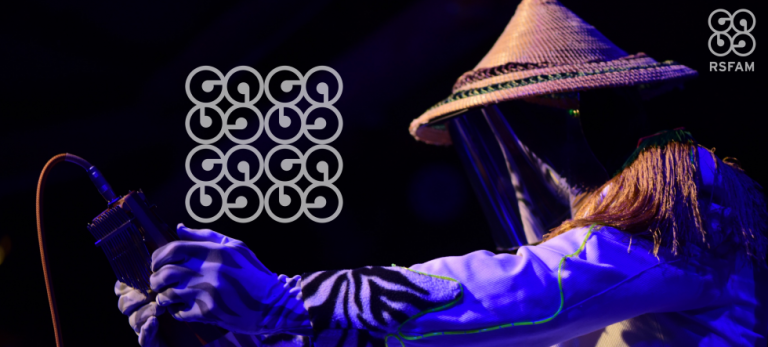
The pilot phase of the RSFAM project has been running since November 2020 and will conclude this year.

MusicXwords
CRP - EU project will organise, produce, and facilitate a virtual marketplace event, that serves as a matchmaking event for cultural operators and for young artists in South Africa within spoken word and music to showcase at and be connected to cultural events and festival programmers in Europe

Instrument Building And Repair Project
The overarching objective of Music In Africa Foundation’s Instrument Building and Repair (IBR) project is to encourage the formalisation and professionalisation of instrument-making and repair in Africa, especially in relation to indigenous African instruments. Background In 2014, the Music In Africa Foundation (MIAF) identified as one of its focus areas for development the need to encourage young people from music and music-related sectors to consider instrument-making as a career. This need extended itself from the recognition that the making of traditional African instruments is not a widely practiced skill and seems to be limited to the older generation. Traditional African instrument makers are also few and far between, making communication and logistics between teachers and learners an obstacle. When instrument building workshops take place, budgetary constraints do not allow teachers or learners the time to explore the finer details of an instrument. Based on these observations, the MIAF designed and piloted the first IBR workshop at the Dhow Countries Music Academy (DCMA) in Zanzibar in February 2015. In 2016, the foundation received funding from the South African National Lotteries Commission to implement a much bigger version of the project in Johannesburg. The project drew participants from five African countries. 25 students from South Africa, Ghana, Senegal, Kenya and Ethiopia were trained on how to build and repair musical instruments. The instruments that they made were: Traditional Instruments: Umakhweyana and Marimba Conventional Instrument: Dulcimer guitar The workshop culminated in a traditional instruments concert at the Wits Theatre in Johannesburg. It is the MIAF’s aim to roll out similar workshops in as many African countries as possible over the next few years. Objectives Developing awareness of musical instrument makers in Africa with a view to promote their work to a wider global audience. Facilitating the sharing and transfer of skills in indigenous instruments between countries on the continent. Encouraging the formalisation and professionalisation of instrument-making and repair in Africa, especially in relation to indigenous instruments. Helping instrument makers develop their careers. Fostering the rapid monetisation and sustainable development of instrument-making and repair in Africa. Promoting constant exchange of ideas, expertise, experiences and know-how among instrument makers in Africa. Facilitating the identification of existing gaps in the field with a view to contribute new solutions. Facilitating the transfer of knowledge and skills of indigenous instruments between younger and older generations. 2020 edition The MIAF has also announced that multi-instrumentalist and instrument maker Joe Makhanza will facilitate one of the workshops on the building of the kamale ngoni instrument. Kamale ngoni is a kora-like, stringed instrument that originated in West Africa. The instrument contributed to the rise of Wassoulou music in the 1970s and 1990s. Makhanza was born in Giyani in South Africa's Limpopo province. He completed a bachelor of music degree and a post-graduate diploma in arts marketing from Wits University. He is currently completing his masters in ethnomusicology and is a part-time lecturer in African music studies at Rhodes University. He plays the kora, mbira, valiha, masenqo, xiwewe, ngoni ba and xizambi, among others. He also manufactures the aforementioned instruments. The MIAF will confirm more trainers who will join the workshops as well as the other instruments that will be featured in the 2020 IBR programme. Apply to participate here. Connect with us on Twitter, Instagram and Facebook, and subscribe to our monthly newsletter. The Music In Africa Instrument Building and Repair project is funded by the National Lotteries Commission. It is implemented in partnership with Siemens Stiftung, Goethe-Institut, Wits Theatre and Kaya FM.
Call for applications: MIAConnects artist mobility
The Music In Africa Foundation (MIAF) is pleased to invite musicians to apply for touring support as part of its recently launched Music In Africa Connects – Artist Mobility Programme. The mobility programme is made possible with support from the Siemens Foundation and the German Federal Foreign Office. The programme supports musicians in seven African countries affected by conflict, to undertake live music performances (tours) and collaborations, provided that such activities do not compromise the safety of the participants. Participating countries are Sudan, South Sudan, Somalia, Nigeria (Northern), Chad, Mali and Niger. The mobility programme offers support for three types of tours: National (where musicians tour locally in their own countries). Regionally (across Africa). Internationally (Germany). This call is for NATIONAL TOURS only. The deadline for applications is 10 September 2017 (midnight CAT). 1. Eligibility criteria This opportunity is open to all musicians from the participating countries such as solo musicians, bands etc. (the beneficiary). The participating countries for this call are Sudan, South Sudan, Somalia, Nigeria (Northern), Chad, Mali and Niger; The bulk of the activities must take place outside the city/location where the artist or band is based and must not go beyond the country; Touring projects applied for must start from 15 October 2017 onwards and must be completed by 15 December 2017; Budgets submitted must adhere to stipulations as indicated in the call; The artist or band must have a valid bank account; The artist or band must be based in the eligible countries listed above. All activities must avoid high-risk areas. Applicants must confirm that they have made efforts to ascertain this. Who can submit an application? The artist or band should choose one person to make the application on their behalf (the applicant). This can be someone who is part of the band or the solo artist him/herself. You can also choose someone who is not part of the band to represent you. Organisations or companies can also apply on your behalf. The applicant will be responsible for managing and reporting on how the support has been utilised and will be the sole contact person if the grant is approved. More importantly, the applicant must have a good track record and you must trust her/him. The applicant can be an individual, a company or an organisation. The applicant will be directly responsible for the preparation and management of the project (and not just act as an intermediary). The applicant must be over 18 years old. Proof of identification will be required for individuals as well as registration documents for companies and organisations. The applicant must be based in the eligible countries. 2. Types of projects Projects submitted for consideration must have firm plans for a live music performance outside the city where the artist or band is based. Applicants may visit more than one city and/or perform at more than one venue in each city. Performances at festivals and showcases, etc. are welcome if they are taking place in the same country. The applicant should be able to demonstrate that such performances will develop her/his professional or creative practice; Tour projects that have artistic collaboration components between musicians that lead to live music performances are welcome. Proof of tour arrangements will be required from the venues where the performances will take place. 3. Common non-eligible projects Recording of albums; Academic research projects; Scholarships and fellowships for studies or training courses; Fundraising events, such as charity galas; Projects supporting political parties or religious faith; Music education projects. 4. Type of support Financial Support Amount: Applicants may request up to €2 000. Financial support stipulations: The amount of €2 000 must not exceed 80% of the total costs of the project. Projects requesting amounts higher than the limits stated above will not be considered. Applicants are encouraged to seek additional funding and sponsorship for their project. Applicants are encouraged to form partnerships with host venues, festivals or music events that will enable them to receive contributions from the venues towards technical costs and door deals, and exempt applicants from paying venue rental costs. Eligible costs: Travel and transportation costs (maximum €600). Accommodation (maximum of €50 per night, per person). Daily meal allowance (maximum of €20 per day, per person). Technical support: sound, lighting, equipment (maximum €200). Publicity: design, printing, distribution (up to the value of €100). Coordination, administration and management costs (up to the amount of €200). Non-eligible costs: Performance fees. Hiring of venues and other spaces. Buying assets, such as equipment, computers, software and instruments. General running costs and overheads of the individual or organisation/company. Costs that are already covered by other funding. Administrative Support Administrative support via email is offered during the application process. Email claire@musicinafrica.net. Additional administrative support will also be offered to successful applicants during the contracted project period. 5. Steps to apply Read the call for applications carefully. Applications will only be done electronically using the form provided by the MIAF. Two application forms are provided – in French and in English. The form will not allow applicants to save and complete later. Before you complete it, make sure you have all the required documents that will need to be attached. Required documents are clearly noted within this call for applications. Create (if you haven’t already) an artist profile on the Music In Africa Artist & Industry section using this link: https://www.musicinafrica.net/user/register Make sure that your profile is up to date. At least one track will be required. Although not mandatory, it is strongly recommended that your profile has at least one video showing your performance. Additional content like pictures and social media links will be advantageous. You may find your profile already created by a Music In Africa contributor. In that case, you would need to claim it. Once you have control of your profile, make sure to update the information, as this is the profile that the jury will review. 6. Mandatory application accompanying documents Legal identification documentation of the applicant: ID/passport copy (for individuals and organisation representatives); registration documents (for companies); Track record as an active musician: an up-to-date Music In Africa profile URL with an up to date biography and at least one song; Project budget: projected income and expenditure in euro (€); Tour schedule including calendar of activities; Letters from hosts, partners and stakeholders confirming their involvement with the project; Letter from the applicant’s bank – official bank-stamped letter verifying that the applicant has a bank account. Additional attachments such as CV, press coverage, weblinks, evidence of recognition awards, public appearances, etc. will be accepted as attachments to the application but are not mandatory; 7. Selection Process Deadline for applications: 10 September (midnight CAT) Successful applicants will be announced by 20September 2017. Unsuccessful applicants will also be notified. Only complete applications will be considered. Only applications submitted via the dedicated online form will be considered. Late applications will not be considered. An applicant may submit only one application under this call. Similarly, a project/tour may only be submitted by one individual/organisation Note that a copy of your proposal will not be returned to you. For transparency purposes, all beneficiary names will be published on www.musicinafrica.net within 30 days after they have been selected. 8. Application forms You can apply in French or English. Access the English application form HERE. Access the French application form HERE For enquiries and information, email claire@musicinafrica.net For more information about the Music In Africa Connects project, please visit our website. Follow us on Twitter, like us on Facebook and subscribe to our monthly newsletter.
Latest Picks


By content.en
Black Coffee marks major European performances in France, UK
South African DJ and producer Black Coffee has been recognised by industry stakeholders following a series of high-profile performances in France and...
02 Jun 2026


Tyla and Future drop ‘Game Time’ for official FIFA World Cup 2026 Album
02 Jun 2026
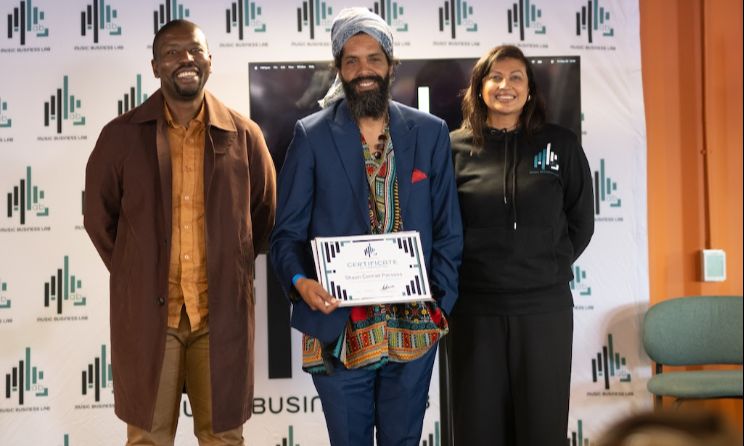

Music Business Lab, SAMRO programme graduates 50 music entrepreneurs
02 Jun 2026


Ezra Collective unveils Lagos-shot video as band announces new album
02 Jun 2026

SA singer Brie Lee dies at 28 after cancer battle
02 Jun 2026


Featured Artists

SupaFuse

Media

Sergeant Fu
Bands /groups

MNIX
Academies

Expect Xhavi
Solo artists

The Grammy Awards
Other regular events

Nandor Love
Solo artists

Dax Vbez
Solo artists

Elijah Kitaka
Solo artists

Snothowva
Solo artists

Sama Awards
Other regular events

Lamah
Solo artists

JC Kalinks
Solo artists

76 Drums
Bands /groups

Muz Mocka
Solo artists

Cold ThePrince
Solo artists

Leusio Gil
Other

Wrick Smotch Music
Composers, arrangers & songwriters

Miss J
Composers, arrangers & songwriters

SAFARAY
Solo artists

Kholeka Dabula
Composers, arrangers & songwriters


Industry Overviews

By Jack-Shaw
The controversial rise of AI in tech-driven Afro-house
AI is challenging the authenticity of Afro-house while raising serious copyright questions, fuelling debate around ownership and artistic integrity. Indigenous African...
07 Jan 2026
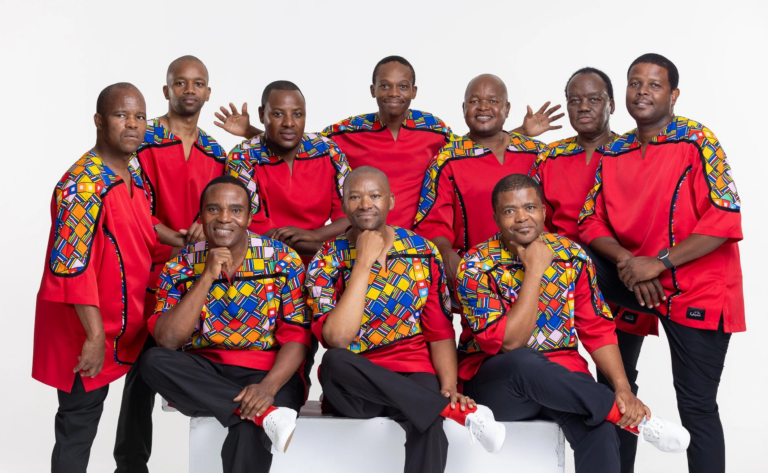
How call-and-response in Zulu choral traditions boosts auditory learning
25 Nov 2025
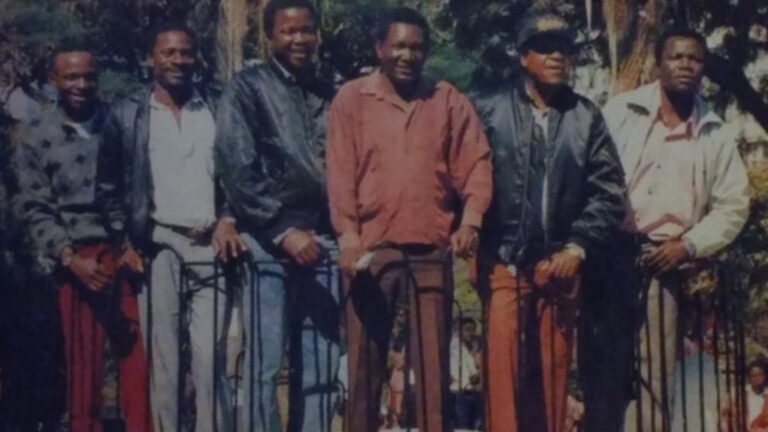

The economic impact of digitising Zimbabwe’s sungura music
30 Sep 2025


How amapiano is influencing East African club culture
05 Sep 2025
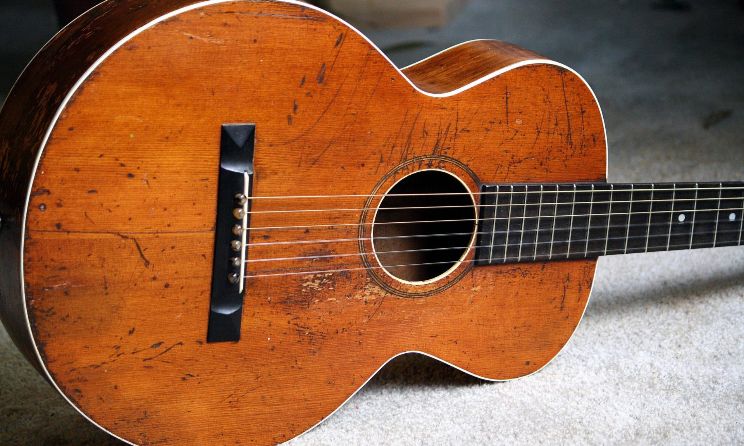
The acoustic guitar’s journey across Africa
21 Aug 2025

Reviews


nikilitha_226470
Fatoumata Diawara honours West African history on new single ‘Djanne’
Grammy-nominated Malian singer-songwriter and guitarist Fatoumata Diawara returned on 27 February 2026 with ‘Djanne’, a warm, groove-led single that looks...
21 Mar 2026

masilelakhotso_219038
Stogie T’s Anomy is a reminder of how serious rap can be
Tumi Molekane has always been a rare kind of rapper. As Stogie T, he writes with a level of technical...
20 Mar 2026

nikilitha_226470
The Brother Moves On: A Fearless Fusion of Afrocentric sound, political reflection
In today’s turbulent global political landscape, The Brother Moves On acts as a voice for those impacted by systemic failures....
27 Feb 2026

rotondiwastella_219569
Pro Heed’s ‘This Feeling’ becomes a Valentine’s season anthem
One of the most unconventional and interactive love song campaigns in recent memory, Pro Heed’s ‘This Feeling’ has captured hearts,...
18 Feb 2026
Gig Guide
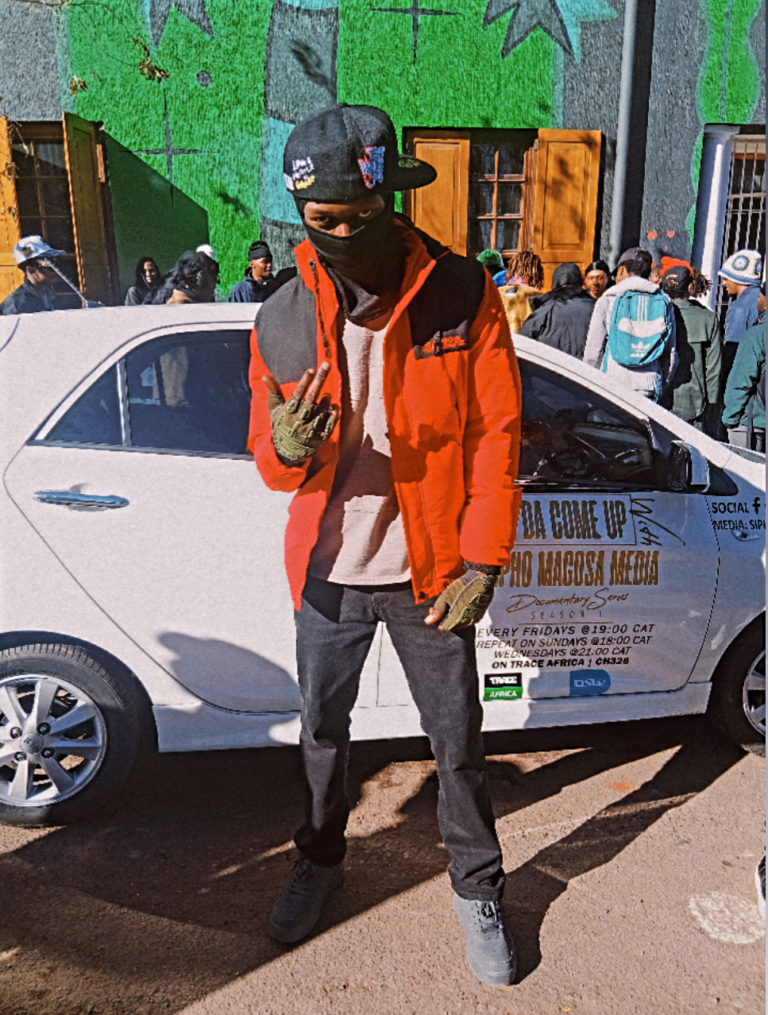
ZooLab Records Management ZooLab Records Management/ Office manager
KOTS(EP)xBLUEVEIL(Album) Listening Session
26 Jan 2026
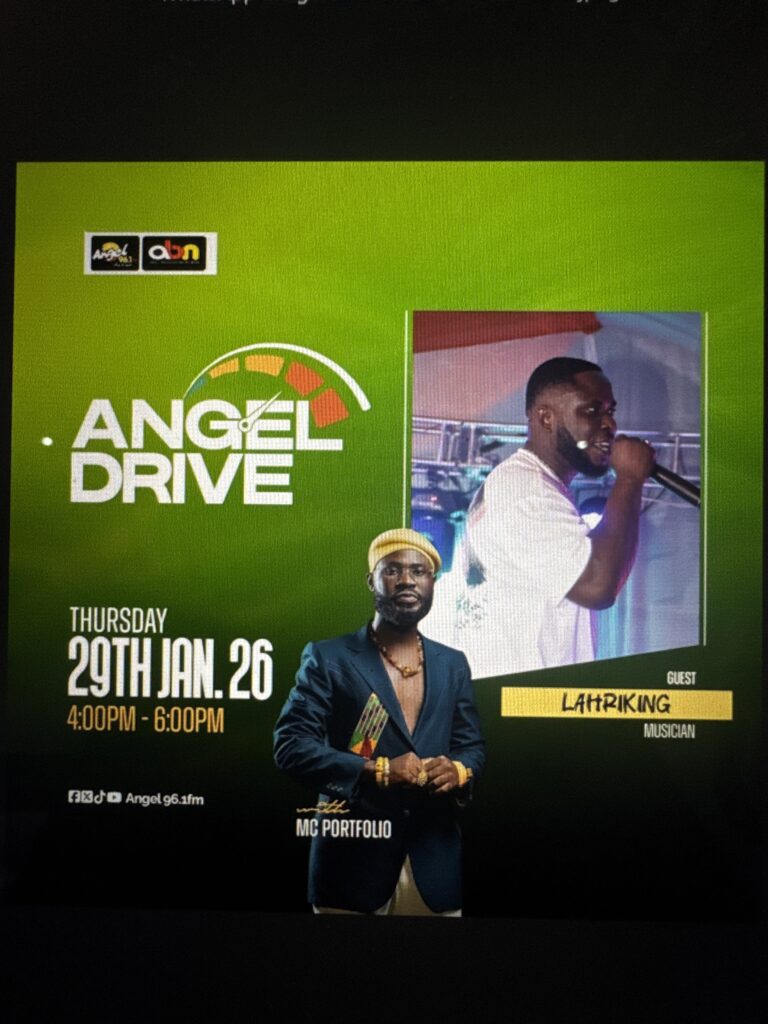

LahriKing Champ
Angel Drive with MC Portfolio (Angel 96.1fm)
26 Jan 2026
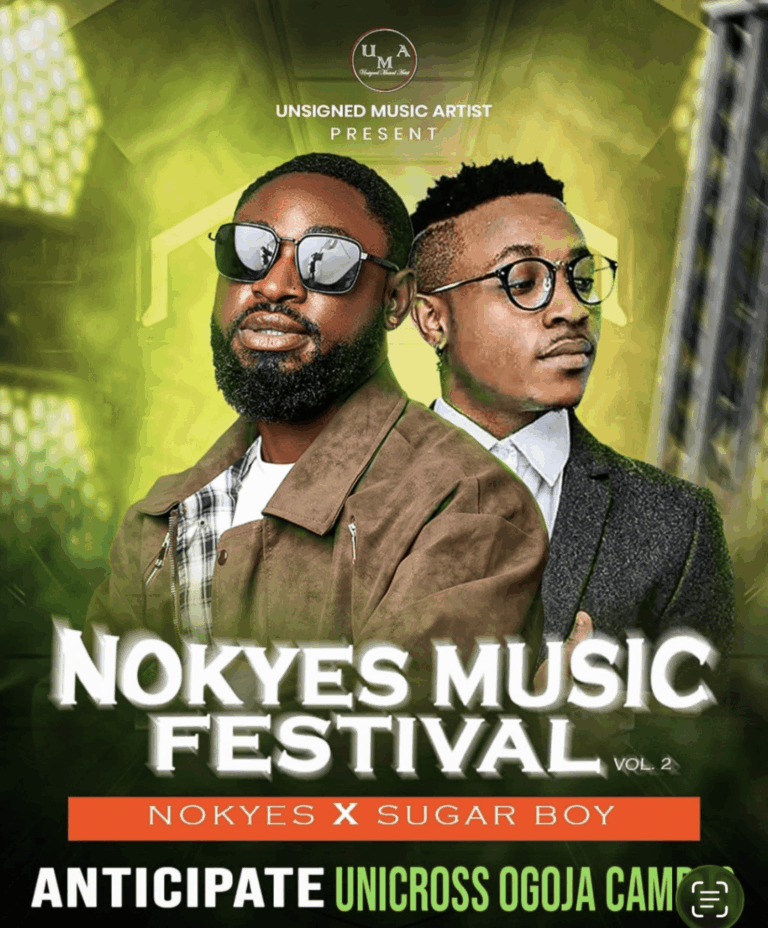
Emop Gideon
Nokyes Music Festival
25 Jan 2026

Senzo Clive Mavayeya
Welcome Back Party (Lunching with Wine Based Cocktails)
23 Jan 2026

Tshepo Ruben Piet
Love Yours Family Picnic
23 Jan 2026
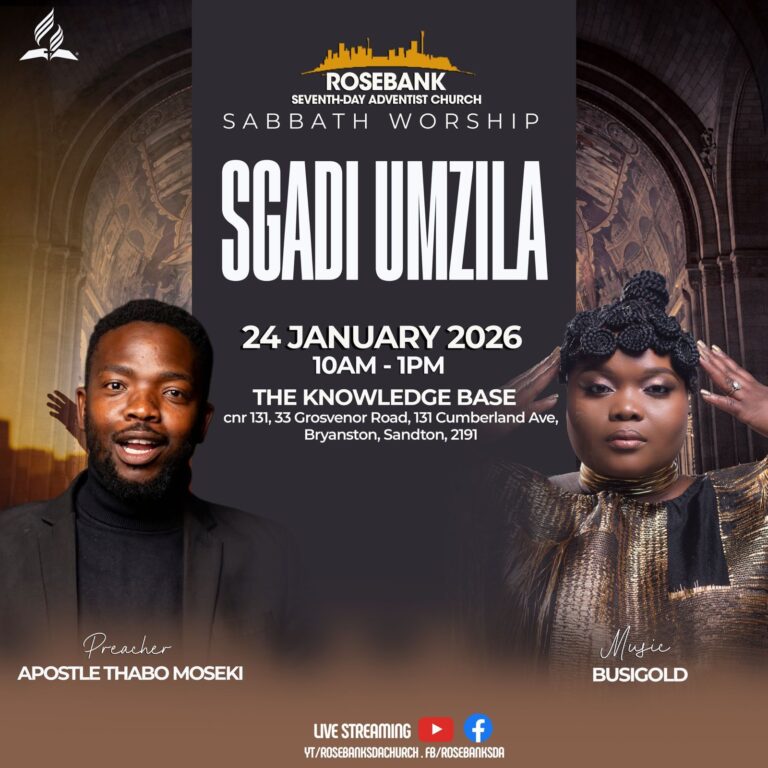
Stu
SGADI UMZILA
22 Jan 2026
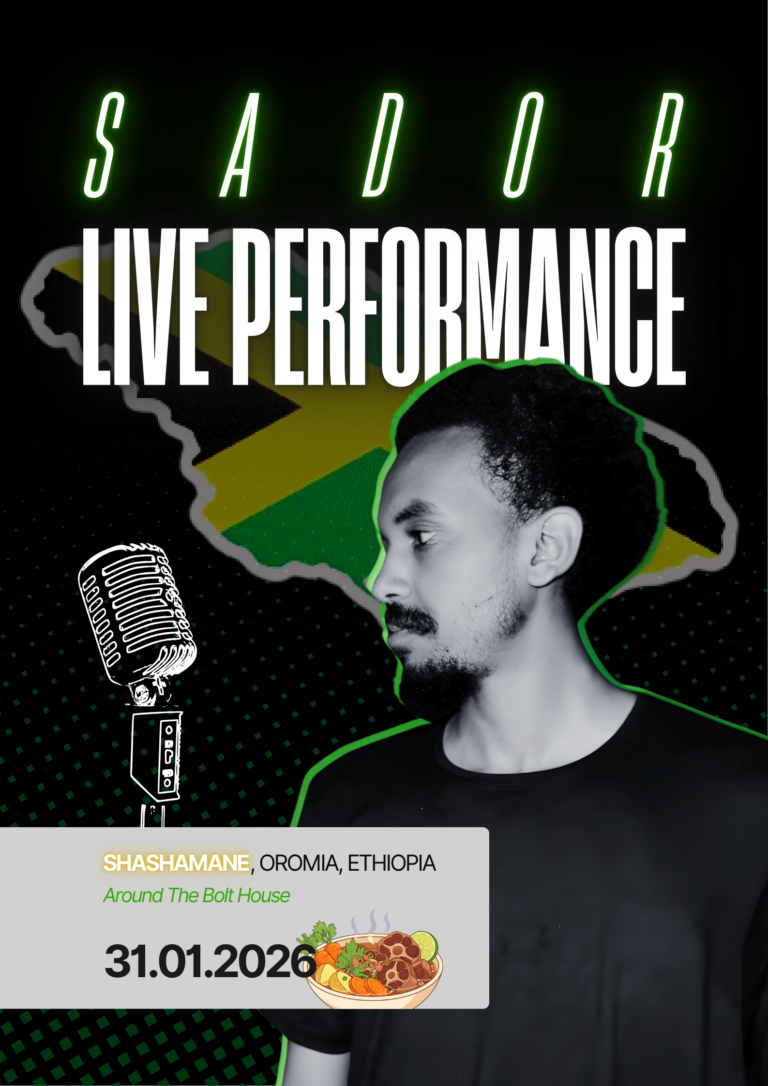

Sador ሳዶር
Sador L.P (Shashamane)
20 Jan 2026

Abiodun Olaoluwa Afolaranmi
AFỌWỌ́SLIDE LIVE IN CONCERT & ÌYÁRA (PACE) ALBUM LISTENING, 2026
18 Jan 2026


Hembadoon Peter-Thomas
“TIME Na NOW” Album Release Party
12 Jan 2026

Bt Ark Ukbwoy
Lord – Bt Ark Ukbwoy ( Album Premier)
11 Jan 2026


Deygo Josy
LE GRAND CONCERT
07 Jan 2026

LahriKing Champ
Breman Homecoming
06 Jan 2026
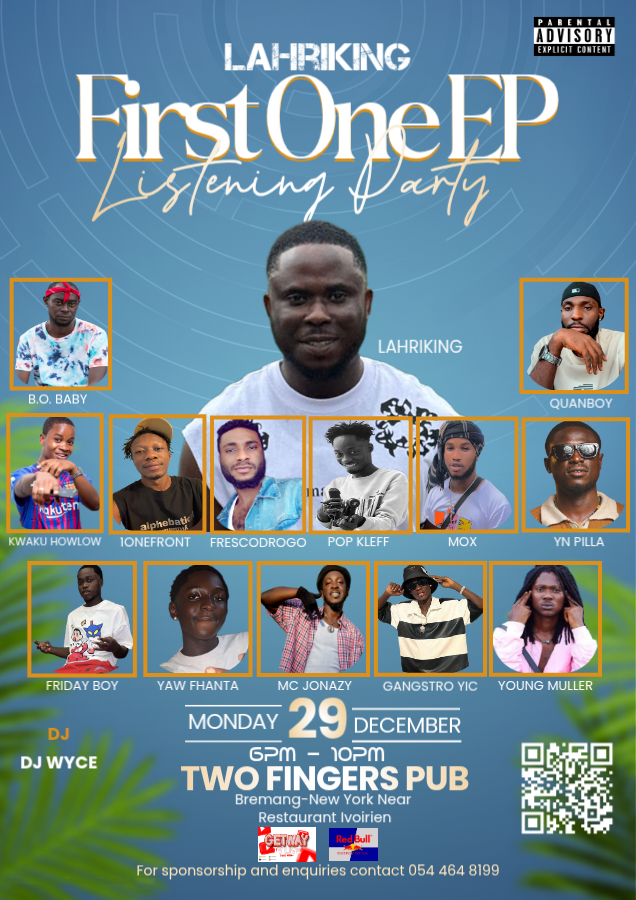
LahriKing Champ
FIRST ONE ep listening party
06 Jan 2026
Abdourahmane Ka
Cheikh ahmadou mayram ndiaye
03 Jan 2026
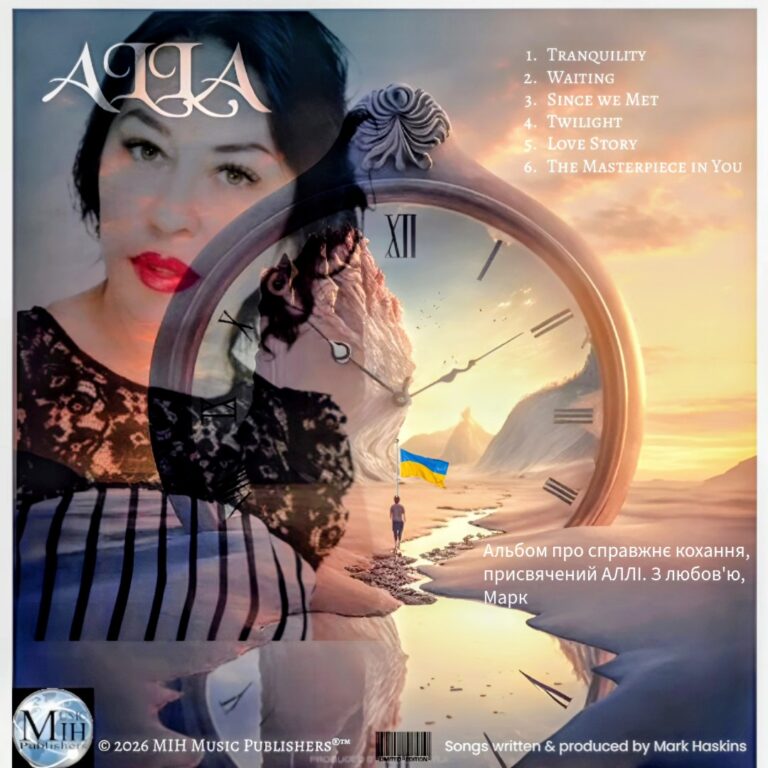
Mark Haskins
Mark Haskins Jazz Guitarist Album Launch Alla
31 Dec 2025
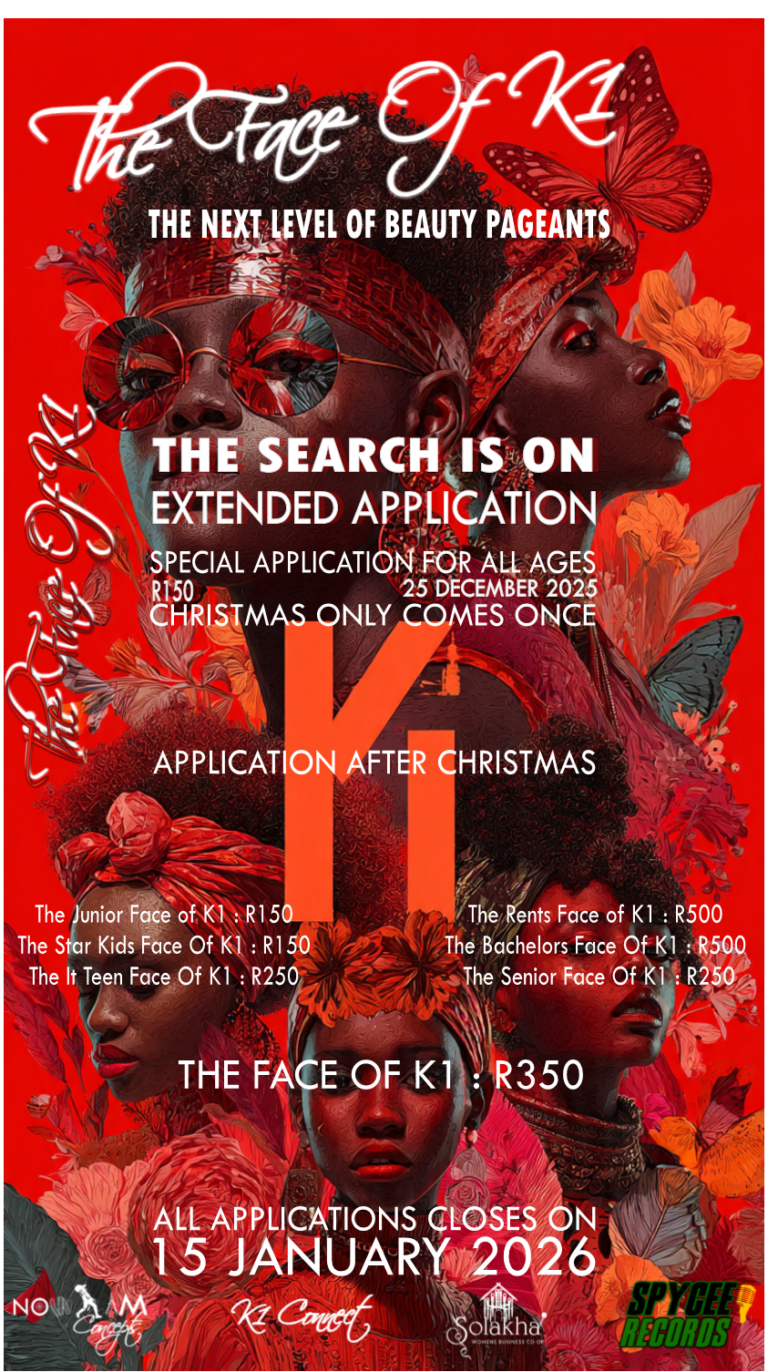
Axolile Lucky Mke
The Face Of K1
29 Dec 2025
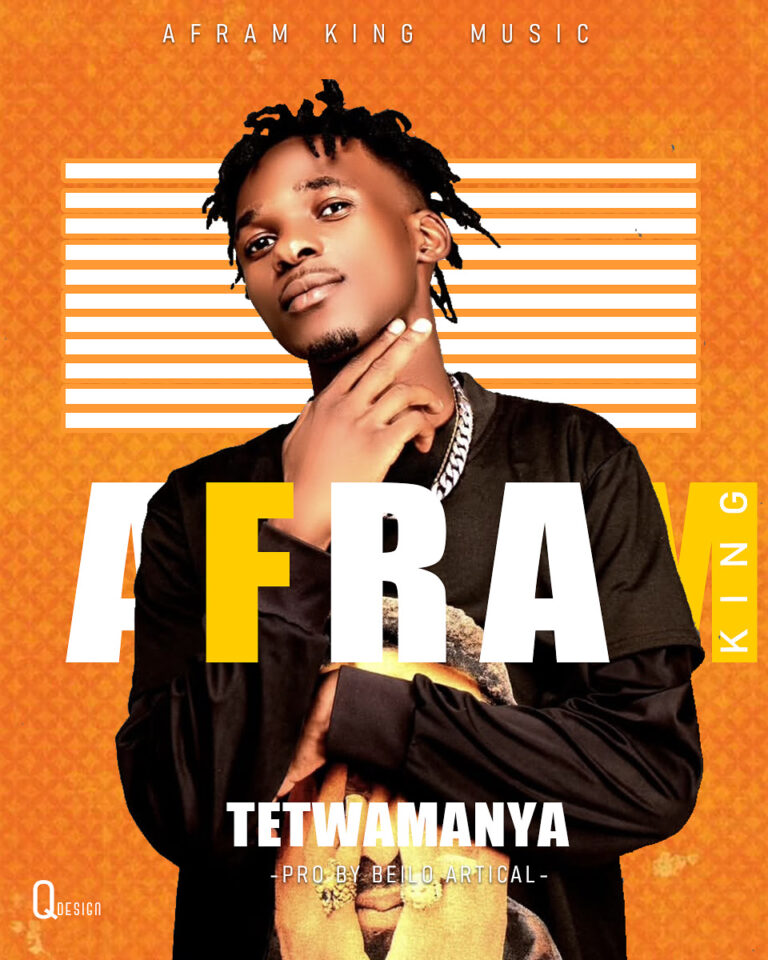
Afram King
Tetwamanya by Afram King
28 Dec 2025
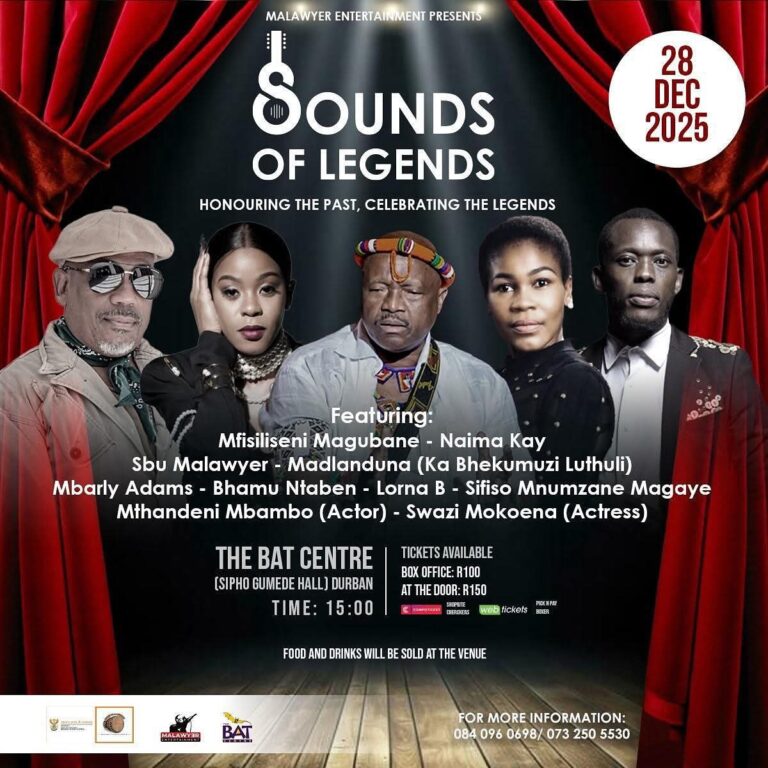
Sifiso Magaye
Sound of Legends Concert
28 Dec 2025
Fiston Kazadi
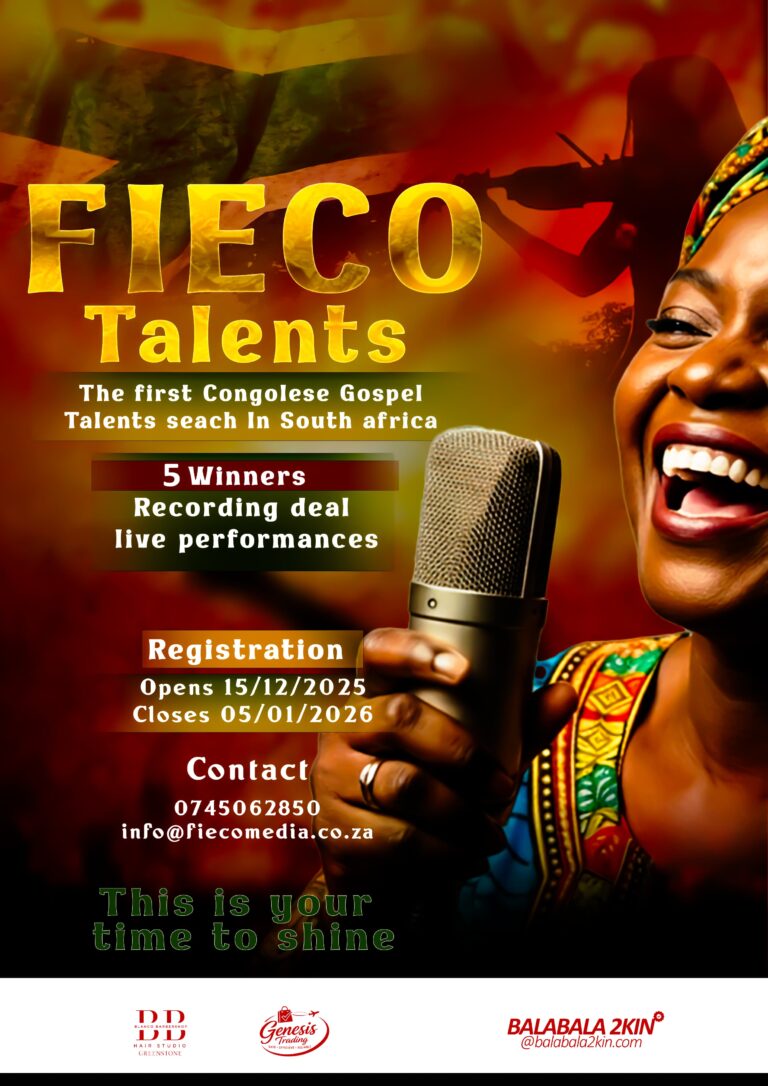
Fieco Talent season 1
27 Dec 2025


