Opportunities

By info
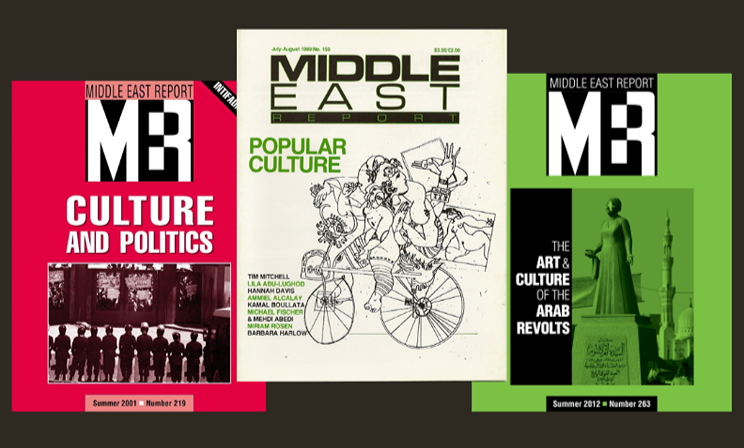
Appel à contributions : Arts visuels et production culturelle au Moyen-Orient et en Afrique du Nord – MERIP Été 2026
Le Middle East Research and Information Project (MERIP) lance un appel à propositions pour son numéro d'été 2026, centré sur les arts visuels et la production culturelle au Moyen-Orient et en Afrique...
04 Fév 2026


Projects
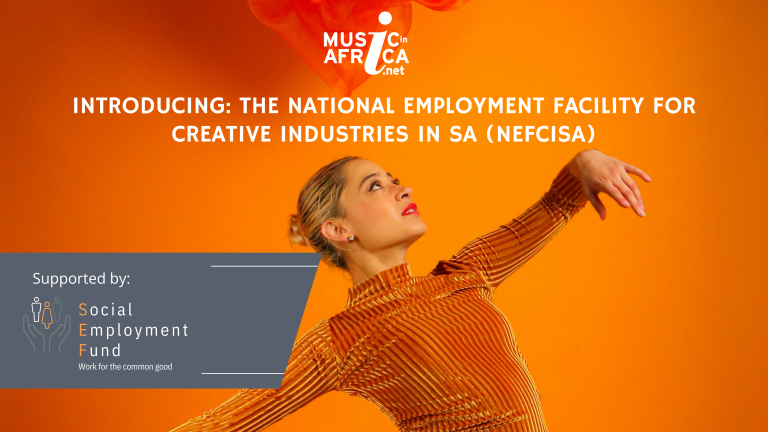
NEFCISA
The Music In Africa Foundation (MIAF) is proud to announce its partnership with the Industrial Development Corporation (IDC) as a Strategic Implementing Partner (SIP) for its Social Employment Fund (SEF).
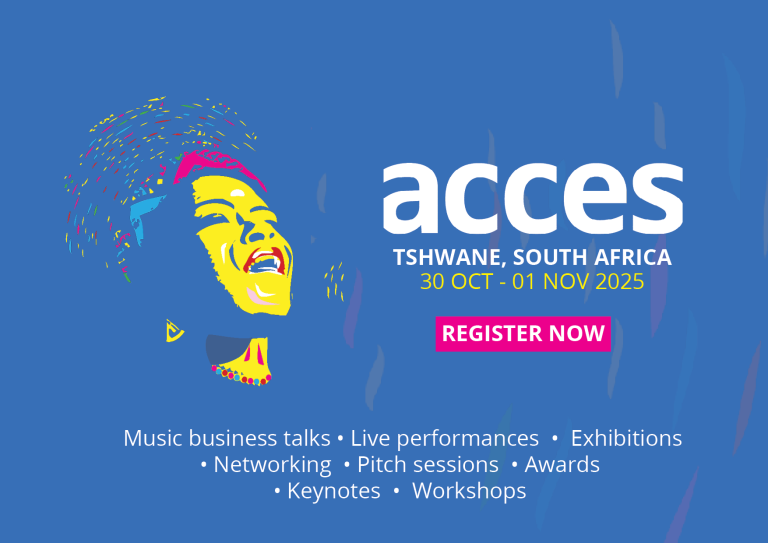
ACCES
ACCES has stamped its authority as Africa’s leading music trade event. At the 2019 edition in Accra, the conference brought together more than 1 200 delegates from about 50 countries on the continent and beyond. The conference also hosted 76 showcasing artists from Africa and the diaspora, who got to perform for an influential audience at two top live venues in the Ghanaian capital. Apart from live showcases, the event features panel discussions, presentations, exhibitions, pitch sessions, Q&A sessions with prominent musicians and visits to key music industry hubs in the host city. Many of these activities will be planned for ACCES 2021, with the ACCES team already exploring a tailor-made programme that will cater for the specific needs of the local music industry amid the pandemic. ACCES is organised by the Music In Africa Foundation, a non-profit and pan-African organisation, in partnership with Siemens Stiftung and Goethe-Institut.
ACCES
Chaque année, nous fournissons des informations générales afin de guider les participants dans la préparation de leur voyage. En plus de ce site, des mises à jour importantes seront envoyées par e-mail à tous les délégués inscrits. Assurez-vous de vous inscrire dès que possible. Pour plus d'informations, veuillez contacter claire@musicinafrica.net Continuez à consulter cette page pour plus d'information.
Gender@Work
Music In Africa Gender @ Work is a three-year training programme aimed at upskilling and increasing the participation of female professionals in the African music sector. Launched by the Music In Africa Foundation (MIAF) in April 2019, the programme is connected to the MIAF’s ACCES music conference – a pan-African event held in a different African country every year. This connection enables the programme to reach new participants in a different African country every year. The programme marks the beginning of a more concerted effort by the Foundation to support the participation and inclusion of women in all facets of its programmes and the music sector in Africa as a whole. Over the three years, the programme will aim to address gender imbalances in the sector through training, lobbying, facilitating knowledge exchange and dialogues that foster the interest of women. The broader objectives of the programme are to: Provide industry training for women on critical music industry skills, focusing on: Stage management Electronic music production and recording Music business management Technical knowledge Provide an opportunity for both professional and aspiring women to benefit from the Music In Africa network and its broad range of activities in 2019, 2020 and 2021. Provide a solution-based platform in the form of a round table at ACCES with a view to identify challenges, discuss opportunities and lobby for the interests of female practitioners. Offer participants the opportunity to benefit from programmes offered by MIAF’s partners. Increase access to educational materials. Integrate participants in the broader ACCES programme to maximise experience and exposure to the industry. Record and present training materials on the www.musicinafrica.net, including but not limited to tutorials, templates and other best-practice materials. Communicate women-based themes that support the initiatives and messages of the programme. MAIN TRAINING ACTIVITIES Training in first country (Ghana): In the first year, participants will be trained on all aspects of stage management by a team of experienced stage managers from 10 to 17 November 2019. The programme will offer robust classroom training as well as practical, hands-on training in which participants will also be given the opportunity to manage various aspects of the ACCES performance programme. Training in second country: The second training iteration will take place at ACCES 2020 when the programme will diversify its course to include music production lessons and training on other music business topics. A round-table platform will also be introduced to coincide with the ACCES programme. Training in third country: The third training iteration will take place at ACCES 2021 in a different country, offering an advanced course. HOW DO YOU GET INVOLVED? As a participant, facilitator or trainer: The programme enrolls up to 12 trainees every year. All opportunities are advertised publicly on this website, and will be added to this page. Please keep checking this page for new calls (below under UPDATES & CURRENT OPPORTUNITIES). As a partner Please contact Claire Metais at claire@musicinafrica.net. APPLY The call for applications for 2020 will be announced soon. The Music In Africa Gender @ Work programme is made possible with the support of the Prince Claus Fund, Siemens Stiftung and Goethe-Institut.
Gender@Work
Music In Africa Gender @ Work is a three-year training programme aimed at upskilling and increasing the participation of female professionals in the African music sector. Launched by the Music In Africa Foundation (MIAF) in April 2019, the programme is connected to the MIAF’s ACCES music conference – a pan-African event held in a different African country every year. This connection enables the programme to reach new participants in a different African country every year. The programme marks the beginning of a more concerted effort by the Foundation to support the participation and inclusion of women in all facets of its programmes and the music sector in Africa as a whole. Over the three years, the programme will aim to address gender imbalances in the sector through training, lobbying, facilitating knowledge exchange and dialogues that foster the interest of women. The broader objectives of the programme are to: Provide industry training for women on critical music industry skills, focusing on: Stage management Electronic music production and recording Music business management Technical knowledge Provide an opportunity for both professional and aspiring women to benefit from the Music In Africa network and its broad range of activities in 2019, 2020 and 2021. Provide a solution-based platform in the form of a round table at ACCES with a view to identify challenges, discuss opportunities and lobby for the interests of female practitioners. Offer participants the opportunity to benefit from programmes offered by MIAF’s partners. Increase access to educational materials. Integrate participants in the broader ACCES programme to maximise experience and exposure to the industry. Record and present training materials on the www.musicinafrica.net, including but not limited to tutorials, templates and other best-practice materials. Communicate women-based themes that support the initiatives and messages of the programme. MAIN TRAINING ACTIVITIES Training in first country (Ghana): In the first year, participants will be trained on all aspects of stage management by a team of experienced stage managers from 10 to 17 November 2019. The programme will offer robust classroom training as well as practical, hands-on training in which participants will also be given the opportunity to manage various aspects of the ACCES performance programme. Training in second country: The second training iteration will take place at ACCES 2020 when the programme will diversify its course to include music production lessons and training on other music business topics. A round-table platform will also be introduced to coincide with the ACCES programme. Training in third country: The third training iteration will take place at ACCES 2021 in a different country, offering an advanced course. HOW DO YOU GET INVOLVED? As a participant, facilitator or trainer: The programme enrolls up to 12 trainees every year. All opportunities are advertised publicly on this website, and will be added to this page. Please keep checking this page for new calls (below under UPDATES & CURRENT OPPORTUNITIES). As a partner Please contact Claire Metais at claire@musicinafrica.net. APPLY The call for applications for 2020 will be announced soon. The Music In Africa Gender @ Work programme is made possible with the support of the Prince Claus Fund, Siemens Stiftung and Goethe-Institut.
Sound Connects Fund
For cultural and creative practitioners and organisations operating in southern Africa, access to funding remains a major challenge. The COVID-19 pandemic has also had a massive impact on government policy, spending and the economy in general, and has seen spending on culture being moved further down the list of priorities. Further, the cultural and creative industries repeatedly cite four main areas where investment is needed for growth, which are increased visibility, mobility including access to new markets, finance and support structures.

Music In Africa Live
Thousands of African musicians have been affected by the COVID-19 pandemic which has introduced unprecedented lockdowns and restrictions across the continent. African musicians and professionals traditionally make a living from live performances, and now they find themselves in extreme difficulty. While social media platforms offer alternative avenues for operators to broadcast their works seamlessly, many musicians are failing to make ends meet. Additionally, most musicians do not have the adequate skills, equipment and resources required to stage successful digital performances and in general, to navigate the many challenges occasioned by COVID-19. The pandemic requires the sector to devise strong support mechanisms that can ignite a digital live music ecosystem that is able to offer competitive high-quality products and ensure that African musicians are able to earn. The main goal of Music In Africa Live is to enable musicians to earn income from digital live performances at a time when many of them have lost their usual income due to the pandemic. The other focus of the project is to develop critical skills among professionals to enable them to navigate the difficult times. The project will have three main actions, which are to: Financially support practitioners to stage high quality live productions on the condition that funds from the project are used to offer musicians paid gigs to showcase and market their work to a wider audience; Market and promote developed content, especially among critical and influential audiences across the world; Financially support organisations and interested entities to deliver (via digital means) viable capacity building initiatives that develop relevant critical skills among music professionals, especially to enable them to navigate challenges and new realities occasioned by the pandemic.
Music In Africa Live
Thousands of African musicians have been affected by the COVID-19 pandemic which has introduced unprecedented lockdowns and restrictions across the continent. African musicians and professionals traditionally make a living from live performances, and now they find themselves in extreme difficulty. While social media platforms offer alternative avenues for operators to broadcast their works seamlessly, many musicians are failing to make ends meet. Additionally, most musicians do not have the adequate skills, equipment and resources required to stage successful digital performances and in general, to navigate the many challenges occasioned by COVID-19. The pandemic requires the sector to devise strong support mechanisms that can ignite a digital live music ecosystem that is able to offer competitive high-quality products and ensure that African musicians are able to earn. The main goal of Music In Africa Live is to enable musicians to earn income from digital live performances at a time when many of them have lost their usual income due to the pandemic. The other focus of the project is to develop critical skills among professionals to enable them to navigate the difficult times. The project will have three main actions, which are to: Financially support practitioners to stage high quality live productions on the condition that funds from the project are used to offer musicians paid gigs to showcase and market their work to a wider audience; Market and promote developed content, especially among critical and influential audiences across the world; Financially support organisations and interested entities to deliver (via digital means) viable capacity building initiatives that develop relevant critical skills among music professionals, especially to enable them to navigate challenges and new realities occasioned by the pandemic.
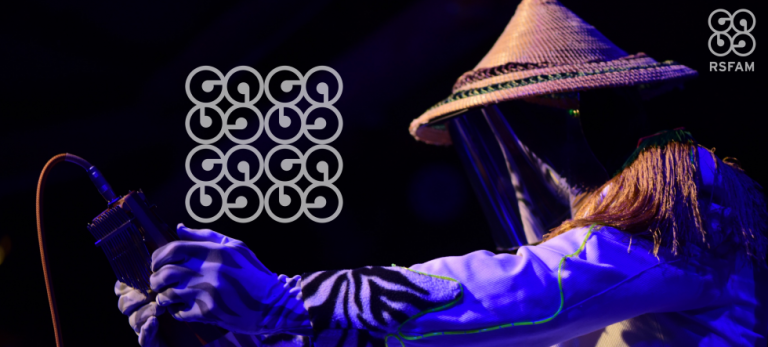
The Revenue Streams For Africa Musicians project
The pilot phase of the RSFAM project has been running since November 2020 and will conclude this year.

MusicXwords
CRP - EU project will organise, produce, and facilitate a virtual marketplace event, that serves as a matchmaking event for cultural operators and for young artists in South Africa within spoken word and music to showcase at and be connected to cultural events and festival programmers in Europe

Instrument Building And Repair Project
The overarching objective of Music In Africa Foundation’s Instrument Building and Repair (IBR) project is to encourage the formalisation and professionalisation of instrument-making and repair in Africa, especially in relation to indigenous African instruments. Background In 2014, the Music In Africa Foundation (MIAF) identified as one of its focus areas for development the need to encourage young people from music and music-related sectors to consider instrument-making as a career. This need extended itself from the recognition that the making of traditional African instruments is not a widely practiced skill and seems to be limited to the older generation. Traditional African instrument makers are also few and far between, making communication and logistics between teachers and learners an obstacle. When instrument building workshops take place, budgetary constraints do not allow teachers or learners the time to explore the finer details of an instrument. Based on these observations, the MIAF designed and piloted the first IBR workshop at the Dhow Countries Music Academy (DCMA) in Zanzibar in February 2015. In 2016, the foundation received funding from the South African National Lotteries Commission to implement a much bigger version of the project in Johannesburg. The project drew participants from five African countries. 25 students from South Africa, Ghana, Senegal, Kenya and Ethiopia were trained on how to build and repair musical instruments. The instruments that they made were: Traditional Instruments: Umakhweyana and Marimba Conventional Instrument: Dulcimer guitar The workshop culminated in a traditional instruments concert at the Wits Theatre in Johannesburg. It is the MIAF’s aim to roll out similar workshops in as many African countries as possible over the next few years. Objectives Developing awareness of musical instrument makers in Africa with a view to promote their work to a wider global audience. Facilitating the sharing and transfer of skills in indigenous instruments between countries on the continent. Encouraging the formalisation and professionalisation of instrument-making and repair in Africa, especially in relation to indigenous instruments. Helping instrument makers develop their careers. Fostering the rapid monetisation and sustainable development of instrument-making and repair in Africa. Promoting constant exchange of ideas, expertise, experiences and know-how among instrument makers in Africa. Facilitating the identification of existing gaps in the field with a view to contribute new solutions. Facilitating the transfer of knowledge and skills of indigenous instruments between younger and older generations. 2020 edition The MIAF has also announced that multi-instrumentalist and instrument maker Joe Makhanza will facilitate one of the workshops on the building of the kamale ngoni instrument. Kamale ngoni is a kora-like, stringed instrument that originated in West Africa. The instrument contributed to the rise of Wassoulou music in the 1970s and 1990s. Makhanza was born in Giyani in South Africa's Limpopo province. He completed a bachelor of music degree and a post-graduate diploma in arts marketing from Wits University. He is currently completing his masters in ethnomusicology and is a part-time lecturer in African music studies at Rhodes University. He plays the kora, mbira, valiha, masenqo, xiwewe, ngoni ba and xizambi, among others. He also manufactures the aforementioned instruments. The MIAF will confirm more trainers who will join the workshops as well as the other instruments that will be featured in the 2020 IBR programme. Apply to participate here. Connect with us on Twitter, Instagram and Facebook, and subscribe to our monthly newsletter. The Music In Africa Instrument Building and Repair project is funded by the National Lotteries Commission. It is implemented in partnership with Siemens Stiftung, Goethe-Institut, Wits Theatre and Kaya FM.
Instrument Building And Repair Project
The overarching objective of Music In Africa Foundation’s Instrument Building and Repair (IBR) project is to encourage the formalisation and professionalisation of instrument-making and repair in Africa, especially in relation to indigenous African instruments. Background In 2014, the Music In Africa Foundation (MIAF) identified as one of its focus areas for development the need to encourage young people from music and music-related sectors to consider instrument-making as a career. This need extended itself from the recognition that the making of traditional African instruments is not a widely practiced skill and seems to be limited to the older generation. Traditional African instrument makers are also few and far between, making communication and logistics between teachers and learners an obstacle. When instrument building workshops take place, budgetary constraints do not allow teachers or learners the time to explore the finer details of an instrument. Based on these observations, the MIAF designed and piloted the first IBR workshop at the Dhow Countries Music Academy (DCMA) in Zanzibar in February 2015. In 2016, the foundation received funding from the South African National Lotteries Commission to implement a much bigger version of the project in Johannesburg. The project drew participants from five African countries. 25 students from South Africa, Ghana, Senegal, Kenya and Ethiopia were trained on how to build and repair musical instruments. The instruments that they made were: Traditional Instruments: Umakhweyana and Marimba Conventional Instrument: Dulcimer guitar The workshop culminated in a traditional instruments concert at the Wits Theatre in Johannesburg. It is the MIAF’s aim to roll out similar workshops in as many African countries as possible over the next few years. Objectives Developing awareness of musical instrument makers in Africa with a view to promote their work to a wider global audience. Facilitating the sharing and transfer of skills in indigenous instruments between countries on the continent. Encouraging the formalisation and professionalisation of instrument-making and repair in Africa, especially in relation to indigenous instruments. Helping instrument makers develop their careers. Fostering the rapid monetisation and sustainable development of instrument-making and repair in Africa. Promoting constant exchange of ideas, expertise, experiences and know-how among instrument makers in Africa. Facilitating the identification of existing gaps in the field with a view to contribute new solutions. Facilitating the transfer of knowledge and skills of indigenous instruments between younger and older generations. 2020 edition The MIAF has also announced that multi-instrumentalist and instrument maker Joe Makhanza will facilitate one of the workshops on the building of the kamale ngoni instrument. Kamale ngoni is a kora-like, stringed instrument that originated in West Africa. The instrument contributed to the rise of Wassoulou music in the 1970s and 1990s. Makhanza was born in Giyani in South Africa's Limpopo province. He completed a bachelor of music degree and a post-graduate diploma in arts marketing from Wits University. He is currently completing his masters in ethnomusicology and is a part-time lecturer in African music studies at Rhodes University. He plays the kora, mbira, valiha, masenqo, xiwewe, ngoni ba and xizambi, among others. He also manufactures the aforementioned instruments. The MIAF will confirm more trainers who will join the workshops as well as the other instruments that will be featured in the 2020 IBR programme. Apply to participate here. Connect with us on Twitter, Instagram and Facebook, and subscribe to our monthly newsletter. The Music In Africa Instrument Building and Repair project is funded by the National Lotteries Commission. It is implemented in partnership with Siemens Stiftung, Goethe-Institut, Wits Theatre and Kaya FM.
Call for applications: MIAConnects artist mobility
The Music In Africa Foundation (MIAF) is pleased to invite musicians to apply for touring support as part of its recently launched Music In Africa Connects – Artist Mobility Programme. The mobility programme is made possible with support from the Siemens Foundation and the German Federal Foreign Office. The programme supports musicians in seven African countries affected by conflict, to undertake live music performances (tours) and collaborations, provided that such activities do not compromise the safety of the participants. Participating countries are Sudan, South Sudan, Somalia, Nigeria (Northern), Chad, Mali and Niger. The mobility programme offers support for three types of tours: National (where musicians tour locally in their own countries). Regionally (across Africa). Internationally (Germany). This call is for NATIONAL TOURS only. The deadline for applications is 10 September 2017 (midnight CAT). 1. Eligibility criteria This opportunity is open to all musicians from the participating countries such as solo musicians, bands etc. (the beneficiary). The participating countries for this call are Sudan, South Sudan, Somalia, Nigeria (Northern), Chad, Mali and Niger; The bulk of the activities must take place outside the city/location where the artist or band is based and must not go beyond the country; Touring projects applied for must start from 15 October 2017 onwards and must be completed by 15 December 2017; Budgets submitted must adhere to stipulations as indicated in the call; The artist or band must have a valid bank account; The artist or band must be based in the eligible countries listed above. All activities must avoid high-risk areas. Applicants must confirm that they have made efforts to ascertain this. Who can submit an application? The artist or band should choose one person to make the application on their behalf (the applicant). This can be someone who is part of the band or the solo artist him/herself. You can also choose someone who is not part of the band to represent you. Organisations or companies can also apply on your behalf. The applicant will be responsible for managing and reporting on how the support has been utilised and will be the sole contact person if the grant is approved. More importantly, the applicant must have a good track record and you must trust her/him. The applicant can be an individual, a company or an organisation. The applicant will be directly responsible for the preparation and management of the project (and not just act as an intermediary). The applicant must be over 18 years old. Proof of identification will be required for individuals as well as registration documents for companies and organisations. The applicant must be based in the eligible countries. 2. Types of projects Projects submitted for consideration must have firm plans for a live music performance outside the city where the artist or band is based. Applicants may visit more than one city and/or perform at more than one venue in each city. Performances at festivals and showcases, etc. are welcome if they are taking place in the same country. The applicant should be able to demonstrate that such performances will develop her/his professional or creative practice; Tour projects that have artistic collaboration components between musicians that lead to live music performances are welcome. Proof of tour arrangements will be required from the venues where the performances will take place. 3. Common non-eligible projects Recording of albums; Academic research projects; Scholarships and fellowships for studies or training courses; Fundraising events, such as charity galas; Projects supporting political parties or religious faith; Music education projects. 4. Type of support Financial Support Amount: Applicants may request up to €2 000. Financial support stipulations: The amount of €2 000 must not exceed 80% of the total costs of the project. Projects requesting amounts higher than the limits stated above will not be considered. Applicants are encouraged to seek additional funding and sponsorship for their project. Applicants are encouraged to form partnerships with host venues, festivals or music events that will enable them to receive contributions from the venues towards technical costs and door deals, and exempt applicants from paying venue rental costs. Eligible costs: Travel and transportation costs (maximum €600). Accommodation (maximum of €50 per night, per person). Daily meal allowance (maximum of €20 per day, per person). Technical support: sound, lighting, equipment (maximum €200). Publicity: design, printing, distribution (up to the value of €100). Coordination, administration and management costs (up to the amount of €200). Non-eligible costs: Performance fees. Hiring of venues and other spaces. Buying assets, such as equipment, computers, software and instruments. General running costs and overheads of the individual or organisation/company. Costs that are already covered by other funding. Administrative Support Administrative support via email is offered during the application process. Email claire@musicinafrica.net. Additional administrative support will also be offered to successful applicants during the contracted project period. 5. Steps to apply Read the call for applications carefully. Applications will only be done electronically using the form provided by the MIAF. Two application forms are provided – in French and in English. The form will not allow applicants to save and complete later. Before you complete it, make sure you have all the required documents that will need to be attached. Required documents are clearly noted within this call for applications. Create (if you haven’t already) an artist profile on the Music In Africa Artist & Industry section using this link: https://www.musicinafrica.net/user/register Make sure that your profile is up to date. At least one track will be required. Although not mandatory, it is strongly recommended that your profile has at least one video showing your performance. Additional content like pictures and social media links will be advantageous. You may find your profile already created by a Music In Africa contributor. In that case, you would need to claim it. Once you have control of your profile, make sure to update the information, as this is the profile that the jury will review. 6. Mandatory application accompanying documents Legal identification documentation of the applicant: ID/passport copy (for individuals and organisation representatives); registration documents (for companies); Track record as an active musician: an up-to-date Music In Africa profile URL with an up to date biography and at least one song; Project budget: projected income and expenditure in euro (€); Tour schedule including calendar of activities; Letters from hosts, partners and stakeholders confirming their involvement with the project; Letter from the applicant’s bank – official bank-stamped letter verifying that the applicant has a bank account. Additional attachments such as CV, press coverage, weblinks, evidence of recognition awards, public appearances, etc. will be accepted as attachments to the application but are not mandatory; 7. Selection Process Deadline for applications: 10 September (midnight CAT) Successful applicants will be announced by 20September 2017. Unsuccessful applicants will also be notified. Only complete applications will be considered. Only applications submitted via the dedicated online form will be considered. Late applications will not be considered. An applicant may submit only one application under this call. Similarly, a project/tour may only be submitted by one individual/organisation Note that a copy of your proposal will not be returned to you. For transparency purposes, all beneficiary names will be published on www.musicinafrica.net within 30 days after they have been selected. 8. Application forms You can apply in French or English. Access the English application form HERE. Access the French application form HERE For enquiries and information, email claire@musicinafrica.net For more information about the Music In Africa Connects project, please visit our website. Follow us on Twitter, like us on Facebook and subscribe to our monthly newsletter.
Appel à candidatures : MIAConnects pour la mobilité des artistes
La Fondation Music In Africa a le plaisir d'inviter les musiciens à faire une demande de soutien à la tournée à travers son nouveau programme de soutien à la mobilité des artistes, dans le cadre du projet Music In Africa Connects. Ce programme est rendu possible grâce au soutien de la Fondation Siemens et du Ministère Fédéral des Affaires étrangères allemand. Le programme soutient les musiciens dans sept pays africains touchés par des conflits, afin d’organiser des concerts (tournées) et des collaborations, à condition que ces activités ne compromettent pas la sécurité des participants. Les pays participants sont le Soudan, le Soudan du Sud, la Somalie, le Nigéria (nord), le Tchad, le Mali et le Niger. Le programme de mobilité offre un soutien à trois types de tournée : nationales (tournées dans le pays de résidence des musiciens) régionales (sur le continent africain) internationales (Allemagne) Cet appel concerne seulement les tournées au niveau national. La date limite d’envoi des candidatures a été reportée au 10 septembre 2017 à minuit (CAT). 1. Critères d’éligibilité Cet appel est ouvert à tout musicien dans les pays participants (musiciens, groupes, etc. (le bénéficiaire). Les pays participants pour cet appel sont le Soudan, le Soudan du Sud, la Somalie, le Nigeria (nord), le Tchad, le Mali et le Niger. La majeure partie des activités doit avoir lieu en dehors de la ville / du lieu où l'artiste ou le groupe est basé mais ne doit pas avoir lieu au-delà des frontières du pays. Les projets doivent commencer à partir du 15 octobre 2017 et doivent être réalisés au plus tard le 15 décembre 2017. Les budgets soumis doivent respecter les indications mentionnées dans cet appel ; L'artiste ou le groupe doit avoir un compte bancaire valide ; L'artiste ou le groupe doit être basé dans l’un des pays éligibles énumérés ci-dessus. Toutes les activités doivent éviter les zones à haut risque. Les candidats doivent confirmer qu'ils ont mis en œuvre les efforts nécessaires en ce sens. Qui peut soumettre une candidature ? L'artiste ou le groupe doit choisir une personne pour candidater en son nom (le candidat). Cela peut être une personne qui fait partie du groupe ou l'artiste lui-même. Vous pouvez également choisir quelqu'un qui ne fait pas partie du groupe pour vous représenter. Les organisations ou les entreprises peuvent également postuler en votre nom. Le candidat sera responsable de la gestion de la subvention et du compte-rendu sur la façon dont la subvention a été utilisée et sera le seul contact si la subvention est approuvée. Plus important encore, le candidat doit avoir un historique fiable et vous devez être en mesure de lui faire confiance. Le candidat peut être un particulier, une entreprise ou une organisation. Le candidat sera directement responsable de la préparation et de la gestion du projet (et pas seulement agir en tant qu'intermédiaire). Le candidat doit avoir plus de 18 ans. Une preuve d'identité sera requise pour les particuliers et les documents d'enregistrement seront requis pour les entreprises et les organisations. Le candidat doit être basé dans l’un des pays éligibles. 2. Types de projets Les projets soumis doivent avoir des perspectives solides quant à une prestation musicale en dehors de la ville où l'artiste ou le groupe est basé. Les candidats peuvent se rendre dans plus d'une ville et / ou se produire dans plus d'un lieu de concert dans chaque ville. Les concerts dans les festivals et les showcases, etc. sont les bienvenus s'ils se déroulent dans le même pays. Le candidat doit pouvoir démontrer que de telles prestations musicales développeront sa pratique sur un plan professionnel ou artistique ; Les projets de tournée qui incluent des collaborations artistiques entre musiciens et donnent lieu à des représentations sont les bienvenus. Une preuve d'organisation de la tournée sera demandée aux lieux accueillant le projet. 3. Projets non éligibles Enregistrement d'albums ; Projets de recherche académique ; Bourses d'études ou de formation ; Les événements de collecte de fonds, tels que les galas de charité ; Projets soutenant les partis politiques ou la foi religieuse ; Projets d'éducation musicale. 4. Types de soutien Soutien financier Montant : les candidats peuvent demander jusqu’à 2000 €. Indications en matière de soutien financier : Le montant de 2000 € ne doit pas dépasser 80% des coûts totaux du projet. Les projets demandant des montants supérieurs aux limites indiquées ci-dessus ne seront pas pris en considération. Les candidats sont encouragés à chercher des financementset parrainages complémentaires pour leur projet. Les candidats sont encouragés à former des partenariats avec les lieux de concert, les festivals ou les événements musicaux accueillant le projet, en contribuant aux coûts techniques, à un partage des entrées et en leur permettant de ne pas payer les coûts de location du lieu. Coûts éligibles : Frais de voyage et de transport (maximum 600 €). Hébergement (maximum de 50 € par nuit, par personne). Indemnité journalière pour les repas (maximum de 20 € par jour, par personne). Coûts techniques : son, lumières, équipement (maximum 200 €). Publicité - design, impression, distribution (jusqu'à 100 €). Frais de coordination, d'administration et de gestion (jusqu'à 200 €). Coûts non éligibles : Cachets artistiques Location de salles de concert et d'autres espaces. Achat de biens, tels que de l'équipement, des ordinateurs, des logiciels et des instruments. Frais généraux de fonctionnement et frais généraux de l'individu ou de l'organisation / de la société. Les coûts qui sont déjà couverts par d'autres financements. Soutien administratif Un soutien administratif par courrier électronique est offert au cours du processus de candidature : claire@musicinafrica.net Un soutien administratif supplémentaire sera également offert aux candidats retenus pendant la période du projet liée au contrat. 5. Etapes pour soumettre une candidature Lisez attentivement l'appel à candidatures. Les candidatures ne seront faites que par voie électronique en utilisant le formulaire fourni par MIAF. Deux formulaires de candidature sont fournis, en français et en anglais. Le formulaire ne peut pas être enregistré partiellement et complété plus tard. Avant de le compléter, assurez-vous d'avoir toutes les pièces jointes requises. Ces documents sont clairement indiqués dans cet appel à candidatures. Créez (si vous ne l’avez déjà fait) un profil d'artiste dans la section Artistes et Industrie du site Web de Music In Africa en utilisant ce lien: https://www.musicinafrica.net/user/register Assurez-vous que votre profil est à jour. Au moins un morceau de musique sera nécessaire. Bien que cela ne soit pas obligatoire, il est fortement recommandé que votre profil comporte au moins une vidéo. Des contenus supplémentaires comme des images, des liens vers les réseaux sociaux seront un avantage. Il est possible que votre profil ait déjà été créé par un contributeur de Music In Africa. Dans ce cas, vous devrez le signaler et une fois que vous y avez accès, assurez-vous de mettre à jour les informations, car c'est le profil que le jury examinera. 6. Documents obligatoires à joindre à la demande Documentation d'identification juridique du demandeur : carte d’identité / passeport (pour les personnes et les représentants de l'organisation) ; documents d'enregistrement (pour les entreprises) ; Historique en tant que musicien – l’adresse (URL) vers votre profil à jour sur le site Web de Music in Africa, comportant une biographie à jour et au moins un morceau de musique ; Budget du projet : recettes et dépenses prévisionnelles en euros (€) ; Calendrier de la tournée incluant le calendrier des activités ; Lettres des lieux d’accueil, des partenaires et des parties prenantes confirmant leur participation au projet ; Lettre de la banque du candidat - lettre officielle avec cachet de la banque confirmant le compte bancaire du candidat. Des pièces jointes supplémentaires telles que CV, articles de presse, liens Internet, preuve de récompenses et prix, prestations publiques, etc. seront acceptées comme pièces jointes à la demande, mais ne sont pas obligatoires. 7. Processus de sélection Date limite de dépôt des candidatures : 10 septembre 2017 (minuit CAT). Les candidats retenus seront annoncés au plus tard le 20 septembre 2017. Les candidats non-retenus seront également informés. Seules les demandes complètes seront prises en considération. Seules les demandes soumises via le formulaire dédié en ligne seront prises en considération. Les demandes soumises en retard ne seront pas prises en considération. Un candidat ne peut soumettre qu'une seule demande en vertu du présent appel. De même, un projet ne peut être soumis que par un(e) seul(e) individu / organisation. Notez qu'une copie de votre proposition ne vous sera pas retournée. À des fins de transparence, tous les noms de bénéficiaires seront publiés sur musicinafrica.net dans les 30 jours suivant leur sélection. 8. Formulaires de candidature Vous pouvez soumettre votre candidature en français ou en anglais. Accédez au formulaire de candidature en anglais ICI. Accédez au formulaire de candidature en français ICI. Pour toute demande d’information, adressez un email à : Pour plus d’informations sur le projet Music In Africa Connects, visitez notre site. Suivez nous sur Twitter, sur Facebook et inscrivez-vous à notre newsletter.
Appel à candidatures – Journalistes Musique - Tchad, Niger, Mali
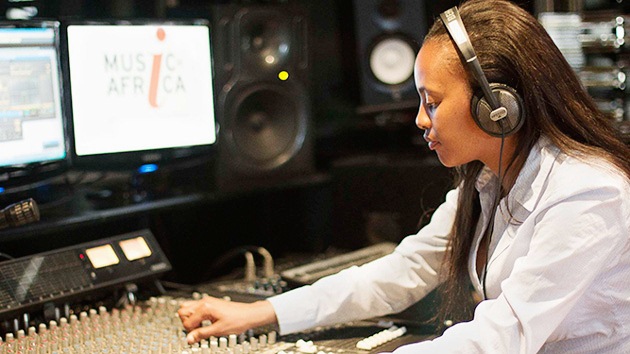
Music In Africa, portail panafricain dédié à la musique (www.musicinafrica.net) recherche des journalistes spécialisés en musique et des auteurs expérimentés au Tchad, au Niger et au Mali pour la rédaction d’articles sur la scène musicale dans les régions susmentionnées. Cet appel est lancé dans le cadre d'un nouveau projet, intitulé Music In Africa Connects, que la Fondation Music In Africa met en œuvre en partenariat avec le Ministère fédéral allemand des Affaires Etrangères et la FondationSiemens L'objectif principal de Music In Africa Connects est de soutenir le secteur musical dans sept pays affectés par des conflits, en favorisant l'échange de connaissances, la création d’opportunités et le renfort des capacités pour ceux qui opèrent dans ce secteur. Les autres pays cibles du projet sont le Nigéria (nord), le Soudan, le Soudan du Sud et la Somalie. Les candidats retenus devront entreprendre un travail de recherche et rédiger un maximum de trois articles généraux variant entre 900 et 1 200 mots. Ces articles fourniront un aperçu factuel sur divers aspects de l'industrie musicale locale. Un guide détaillé sera fourni et les textes devront être conformes à ces lignes directrices. Globalement, le projet abordera les grands thèmes suivants: • Aperçu de l'état actuel des zones concernées (sur un plan musical) • Examen en profondeur de l’impact des conflits sur le secteur musical • Opportunités (le cas échéant) pour les professionnels de la musique dans les zones concernées • Thèmes généraux tels que: les nouvelles tendances musicales, l'enregistrement, les redevances, l'éducation musicale et la musique live • La musique comme facteur de cohésion sociale et politique • Initiatives, succès et efforts pour relancer ou maintenir l’industrie musicale Les candidats doivent avoir une bonne maîtrise de ces sujets, et avoir idéalement déjà écrit sur des sujets similaires. Les candidats retenus recevront un sujet et devront soumettre une brève proposition sur la façon dont le traiter. Critères de sélection • 5 ans d’expérience minimum dans ce domaine • Parfaite maîtrise de l’écrit en français • Capacité à respecter les délais • Excellente culture musicale • Désir de contribuer à l'industrie musicale locale Rémunération Les auteurs seront rémunérés à un taux convenu une fois que le texte aura été soumis aux éditeurs pour validation, selon les spécifications fournies. Contact Tout candidat intéressé doit envoyer un CV à Thomas Ayissi à thomas@musicinafrica.net au plus tard le 31 juillet 2017. Toute demande doit faire mention du pays souhaité en matière de recherche et inclure : • Une courte lettre de motivation • Au moins trois articles liés à la musique récemment écrits (liens Internet acceptés) Pour plus d'informations sur Music In Africa, visitez www.musicinafrica.net
Latest Picks
By info
Grammy 2026 : Ce qu’il ne faut pas rater pour les artistes africains
Alors que les 68e Grammy Awards se déroulent ce dimanche 1er février à Los Angeles, l’édition 2026 confirme l’importance croissante de la...
30 Jan 2026
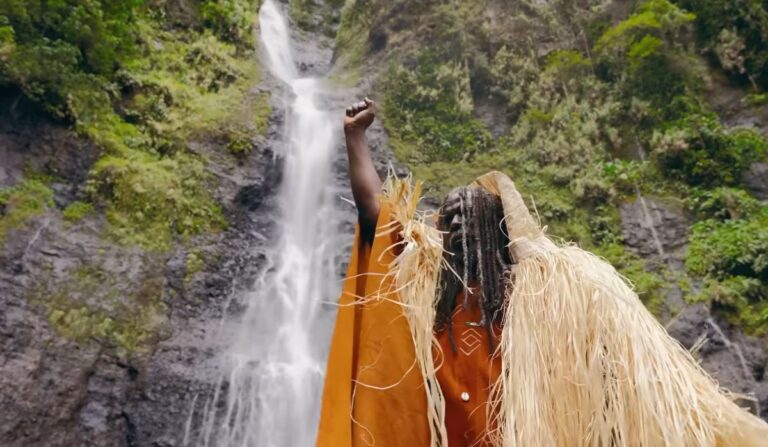
Côte d’Ivoire: Tiken Jah Fakoly dévoile “Mutamba”
29 Jan 2026
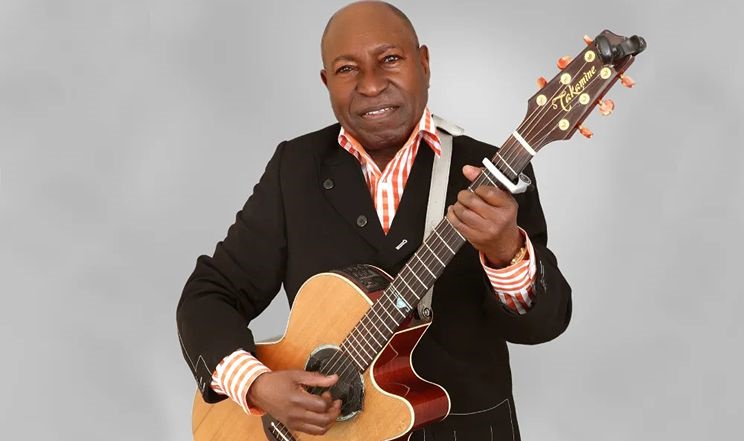
« Rumba Africa » : Syran Mbenza signe un nouvel hommage vivant à la rumba congolaise
27 Jan 2026
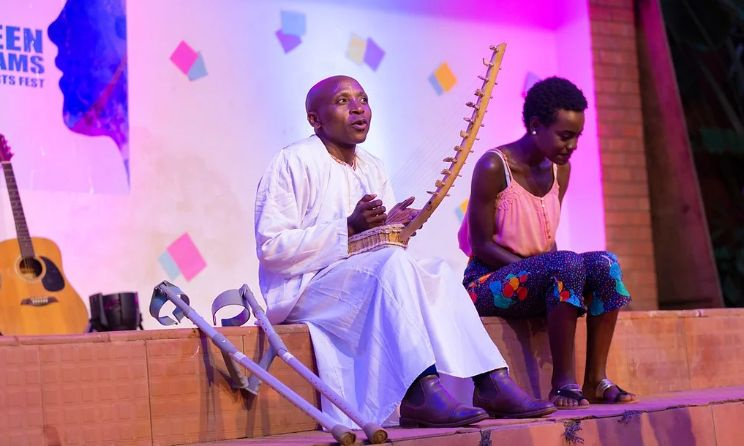
Appel ouvert : Fonds artistique 2026/2027 Kuonyesha pour les créateurs africains
26 Jan 2026

RD Congo: Céline Banza chante l’imperfection et l’amour sans conditions dans « Fille parfaite »
23 Jan 2026
Featured Artists

alisonwilliams
Bands /groups

Brie Lee
Solo artists
Efa - Ibhinqa LokuQala
Solo artists
Zmowa
Solo artists

Ms Bliss
DJs

alexandre williams
Bands /groups
ALJC-Alliance Lumière de Jésus Christ
Bands /groups
SOLISMAN
Solo artists
Salmoso Assane
Sound artists
Konky
Solo artists

Kèo bóng đá
Sound artists

zowinspot
Booking agents
Evanthea Eve
Solo artists
Obyno Melody
Composers, arrangers & songwriters
DHE HERO DHON
Solo artists
Tottaax Escort
Other
Boy Gentle
Solo artists
JOHN FABIAN
Solo artists
DJ Chrispin The Drummer
DJs
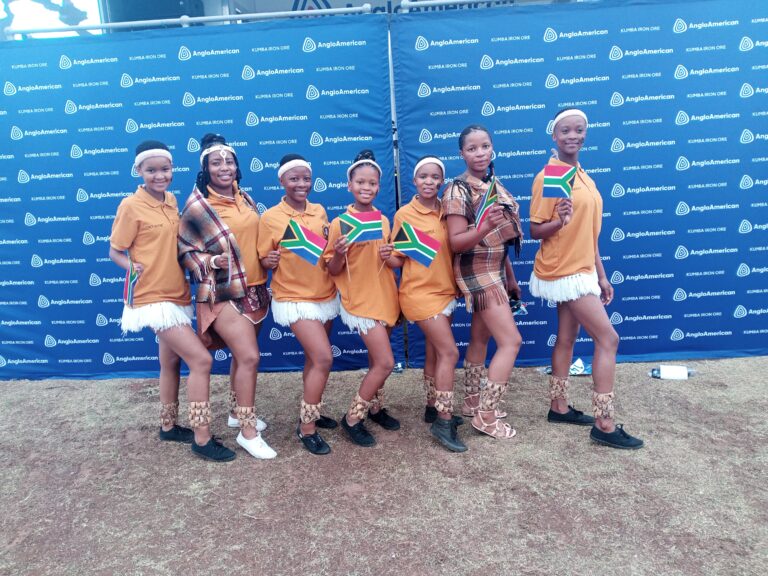
Mmapula Arts Production
Bands /groups
Industry Overviews
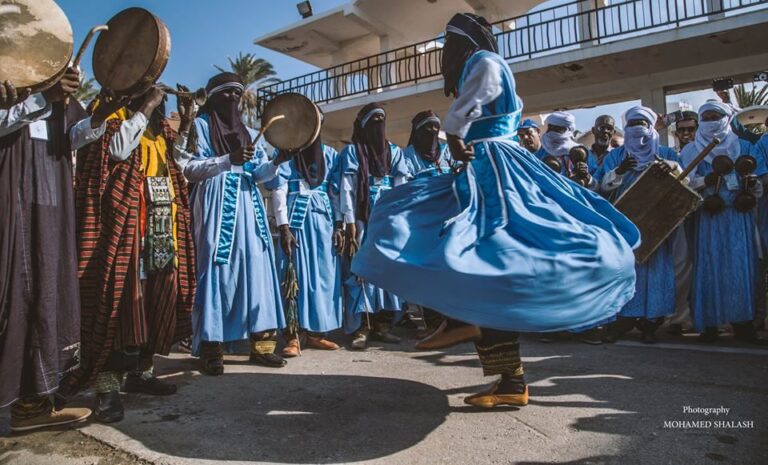
By leila_179747
La musique live en Libye
[ NDLR: Cet article est une republication de contenu initialement publié le 21 janvier 2021.] Depuis février 2011, de nombreux changements se sont...
21 Jan 2026



Reviews
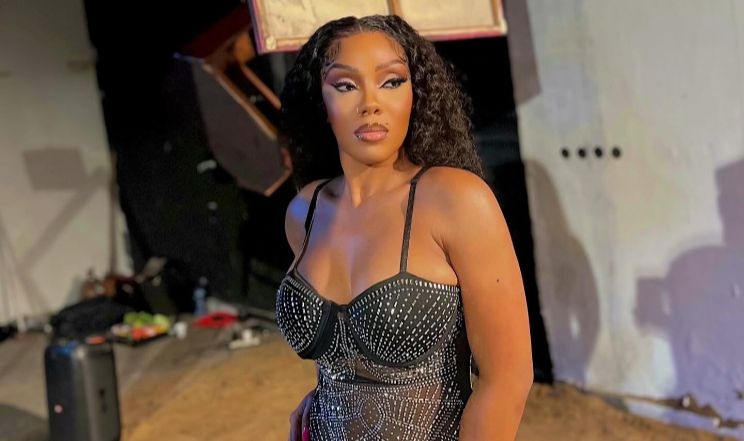
Etienne-Kambala
RD Congo: Ninita explore la rumba avec élégance dans « Kalaba »
D’une voix suave et conquérante, Ninita signe un retour tout en sensualité avec « Kalaba », un titre de rumba...
01 Déc 2025
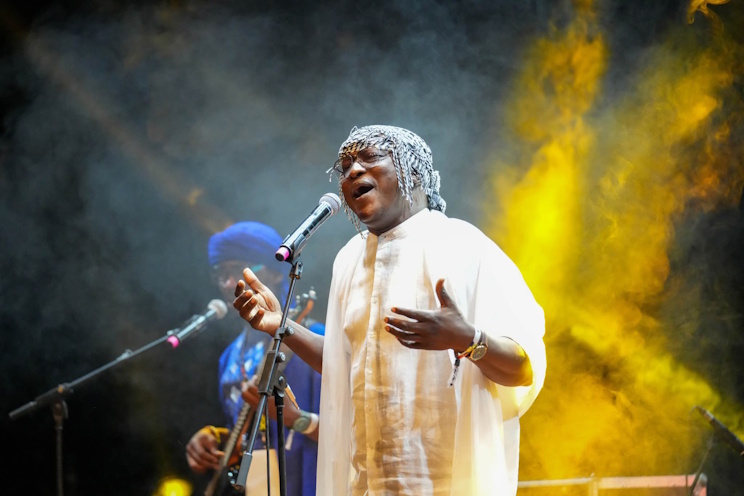
info
Visa For Music 2025 célèbre les voix d’hier, d’aujourd’hui et de demain
Sous le ciel de Rabat, la 12ᵉ édition de Visa For Music a fait vibrer la capitale marocaine au rythme...
26 Nov 2025
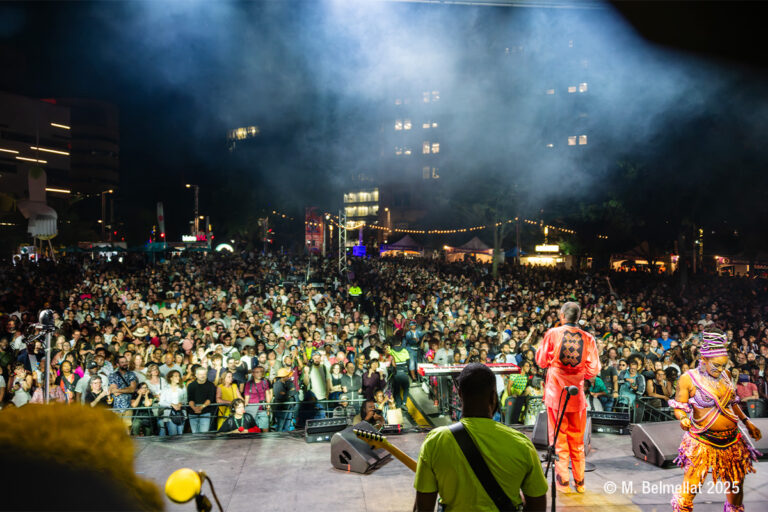
Mathieu-Girod
Montréal bouillonne avec Nuits d’Afrique, 39 années de sono-mondiale en fusion !
On pourrait croire que les festivals finissent par se ressembler : mêmes têtes d’affiche, mêmes illusions de « monde »,...
30 Oct 2025

Etienne-Kambala
Le gouvernement doit-il accompagner Fally Ipupa pour son Stade de France ?
Le 2 mai 2026, Fally Ipupa se produira au Stade de France. Un rendez-vous exceptionnel, inédit pour un artiste congolais...
10 Oct 2025
Gig Guide

KOTS(EP)xBLUEVEIL(Album) Listening Session
26 Jan 2026; 26
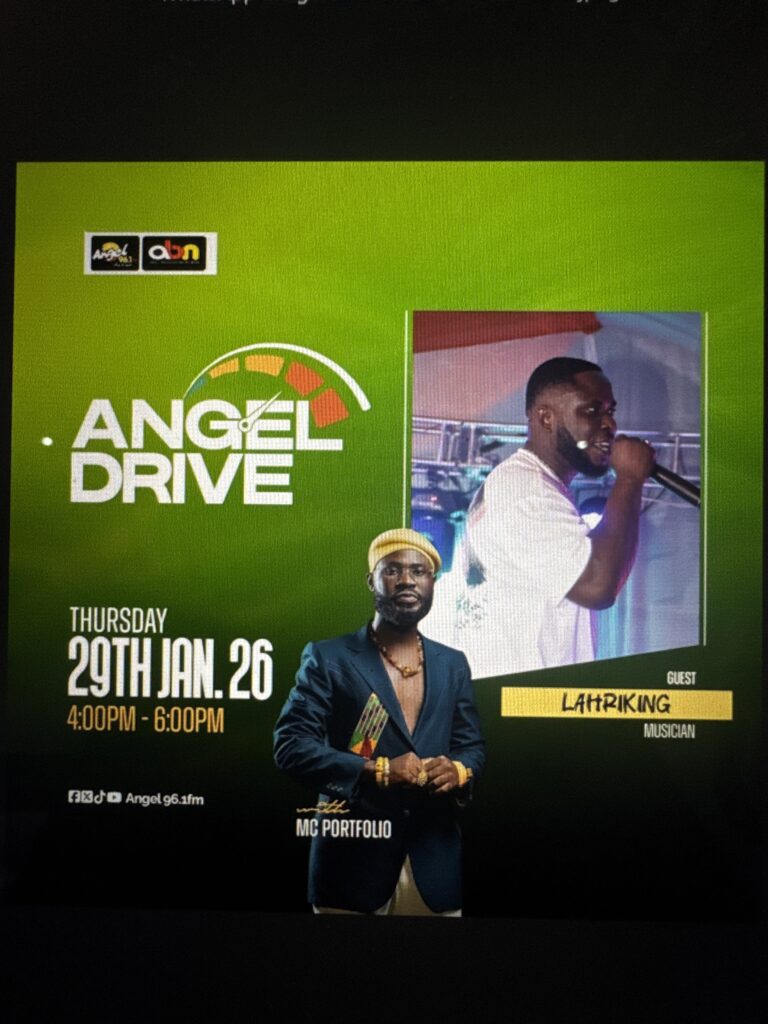
LahriKingMusic_221502
Angel Drive with MC Portfolio (Angel 96.1fm)
26 Jan 2026; 26

daddynokyes_103894
Nokyes Music Festival
25 Jan 2026; 25

Senzo-Mavayeya
Welcome Back Party (Lunching with Wine Based Cocktails)
23 Jan 2026; 23

beatwoofermusic442_167227
Love Yours Family Picnic
23 Jan 2026; 23
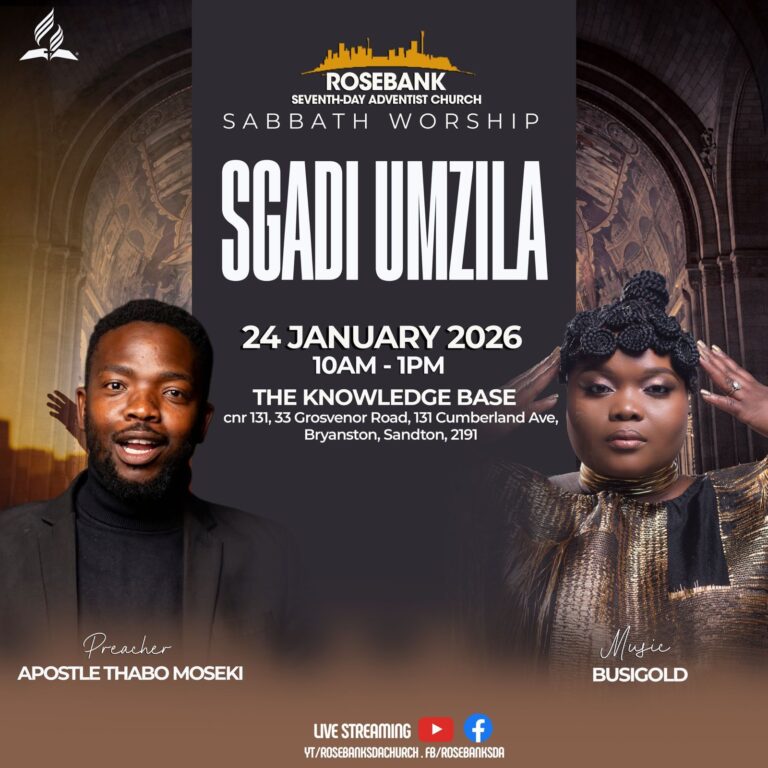
busigoldofficial_222452
SGADI UMZILA
22 Jan 2026; 22
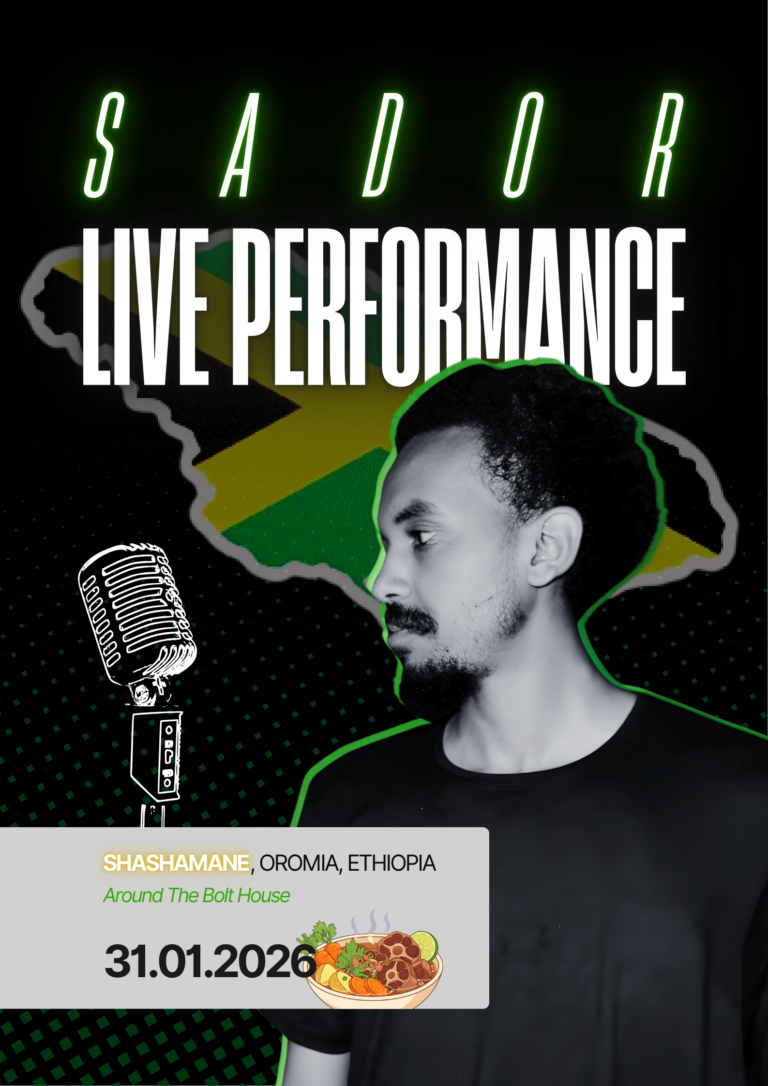
sadors940_185338
Sador L.P (Shashamane)
20 Jan 2026; 20

ola2nice2c_8772
AFỌWỌ́SLIDE LIVE IN CONCERT & ÌYÁRA (PACE) ALBUM LISTENING, 2026
18 Jan 2026; 18
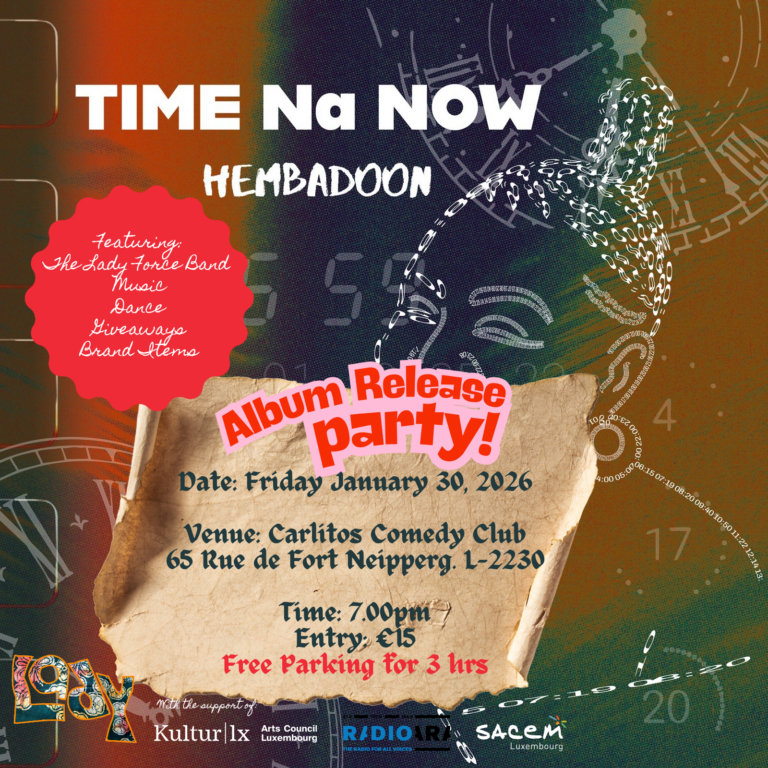
me_145047
« TIME Na NOW » Album Release Party
12 Jan 2026; 12
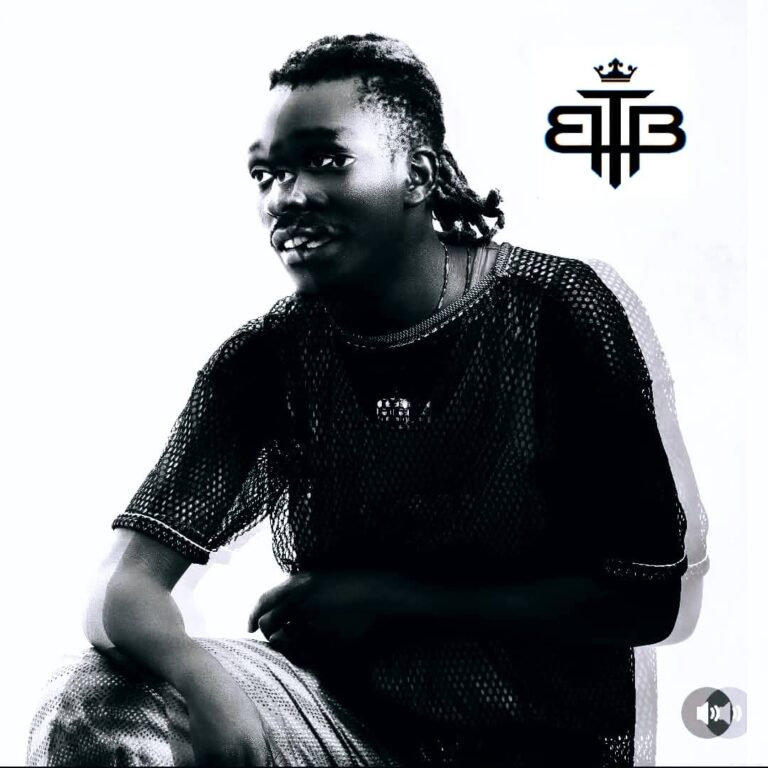
Bugembe Top-Boyz
Lord – Bt Ark Ukbwoy ( Album Premier)
11 Jan 2026; 11

diopdeygo_220683
LE GRAND CONCERT
07 Jan 2026; 07

LahriKingMusic_221502
Breman Homecoming
06 Jan 2026; 06
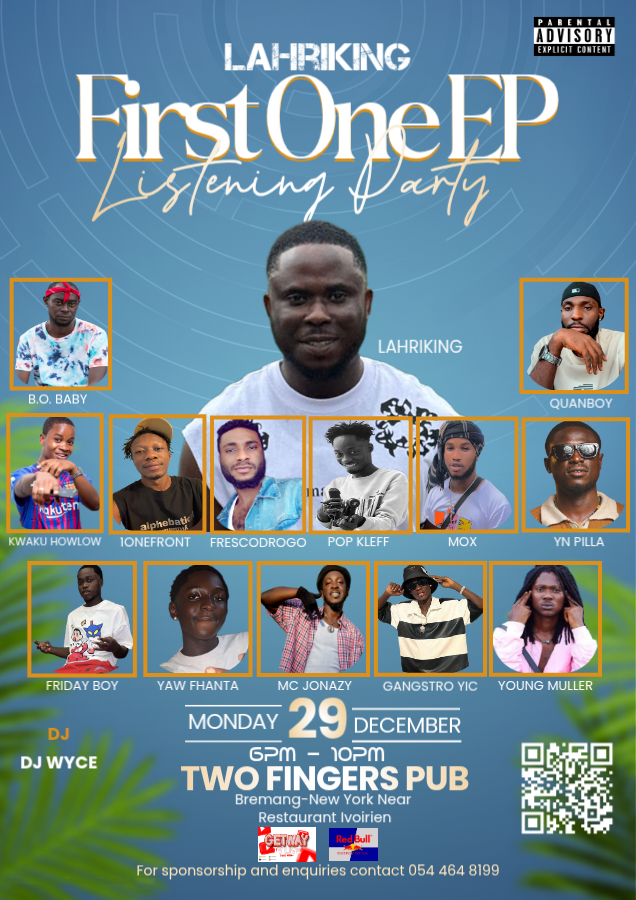
LahriKingMusic_221502
FIRST ONE ep listening party
06 Jan 2026; 06
Dooley-Aduon
Cheikh ahmadou mayram ndiaye
03 Jan 2026; 03
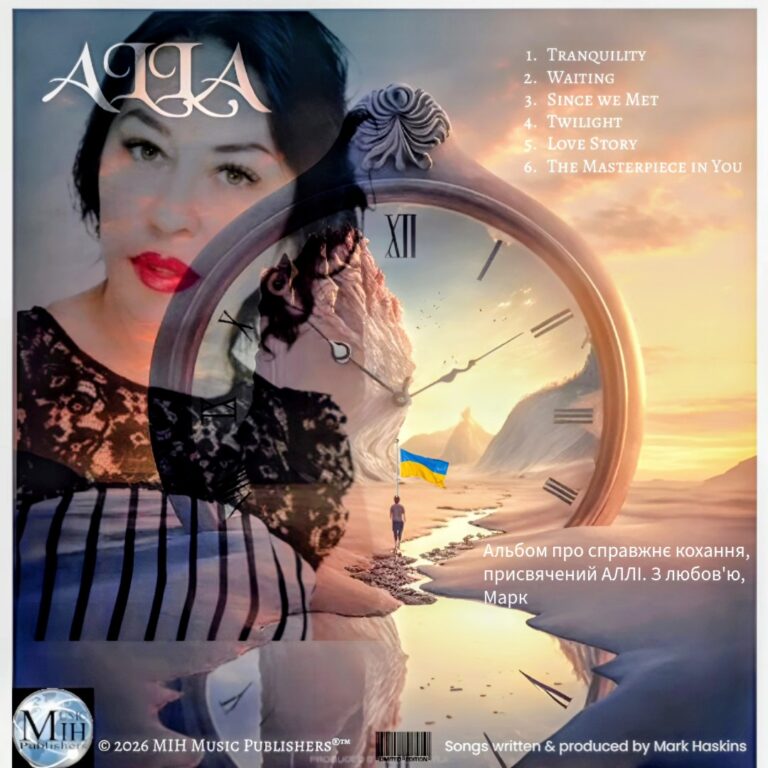
Mark-Haskins
Mark Haskins Jazz Guitarist Album Launch Alla
31 Déc 2025; 31
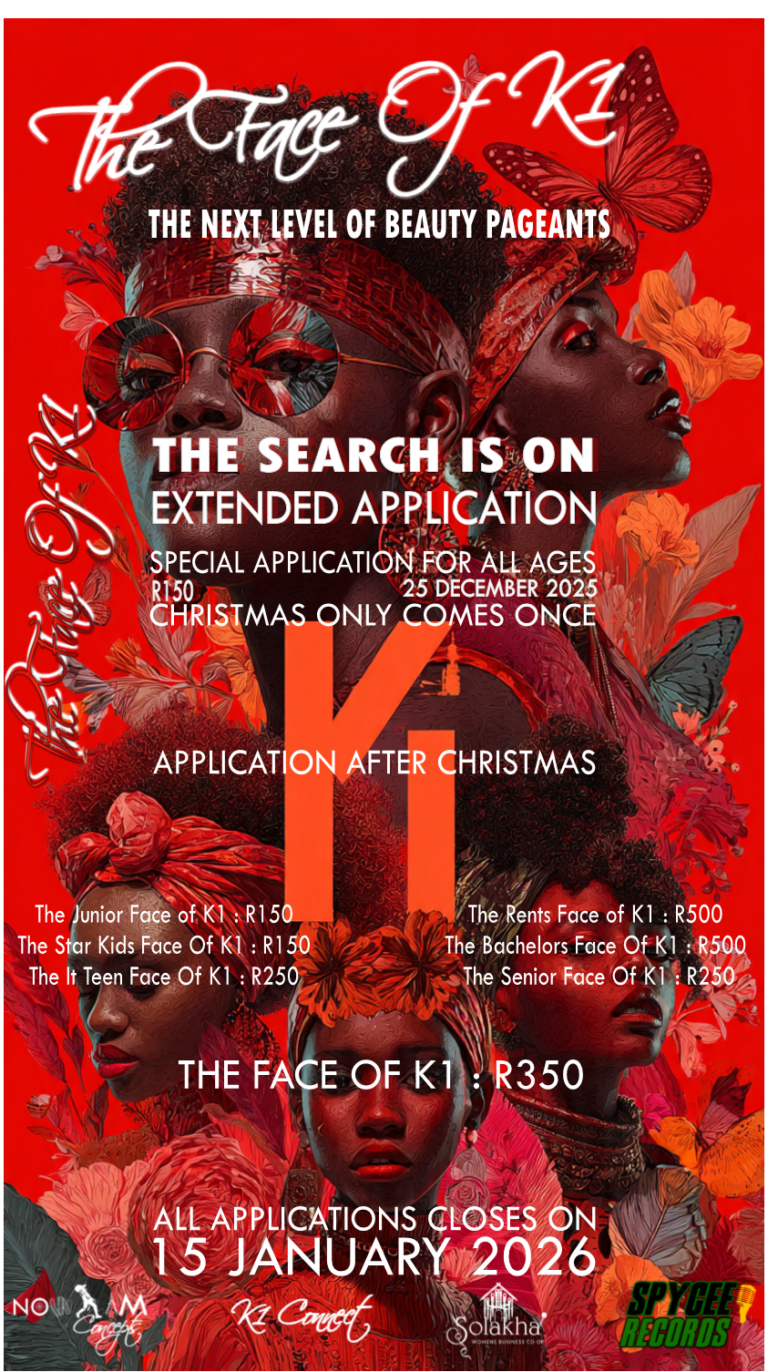
mkeaxolilelucky_197345
The Face Of K1
29 Déc 2025; 29
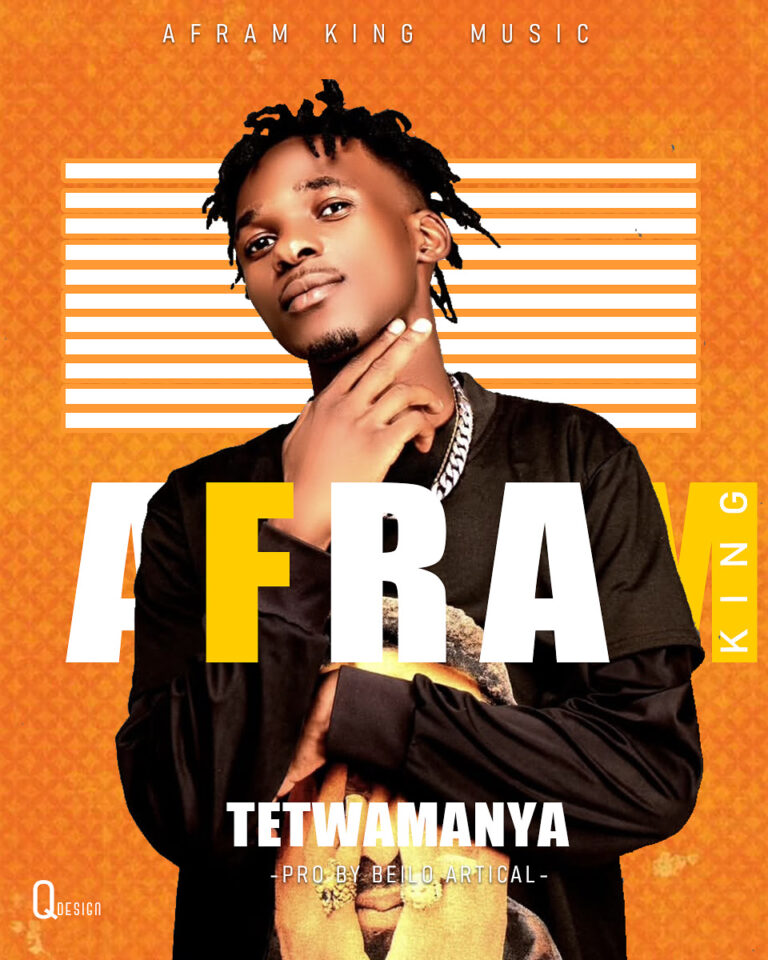
Afram-King
Tetwamanya by Afram King
28 Déc 2025; 28
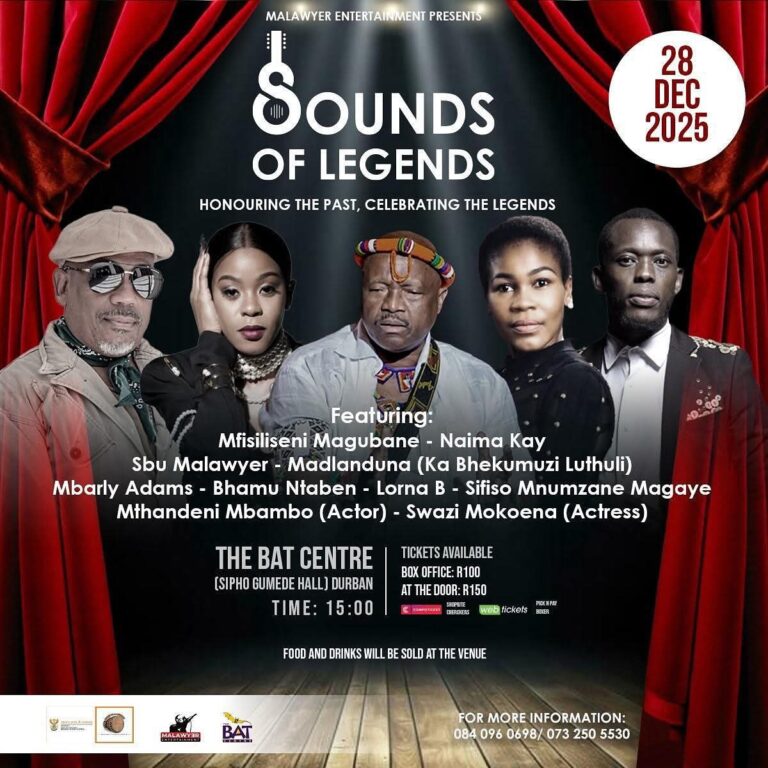
cs.sifiso_64095
Sound of Legends Concert
28 Déc 2025; 28
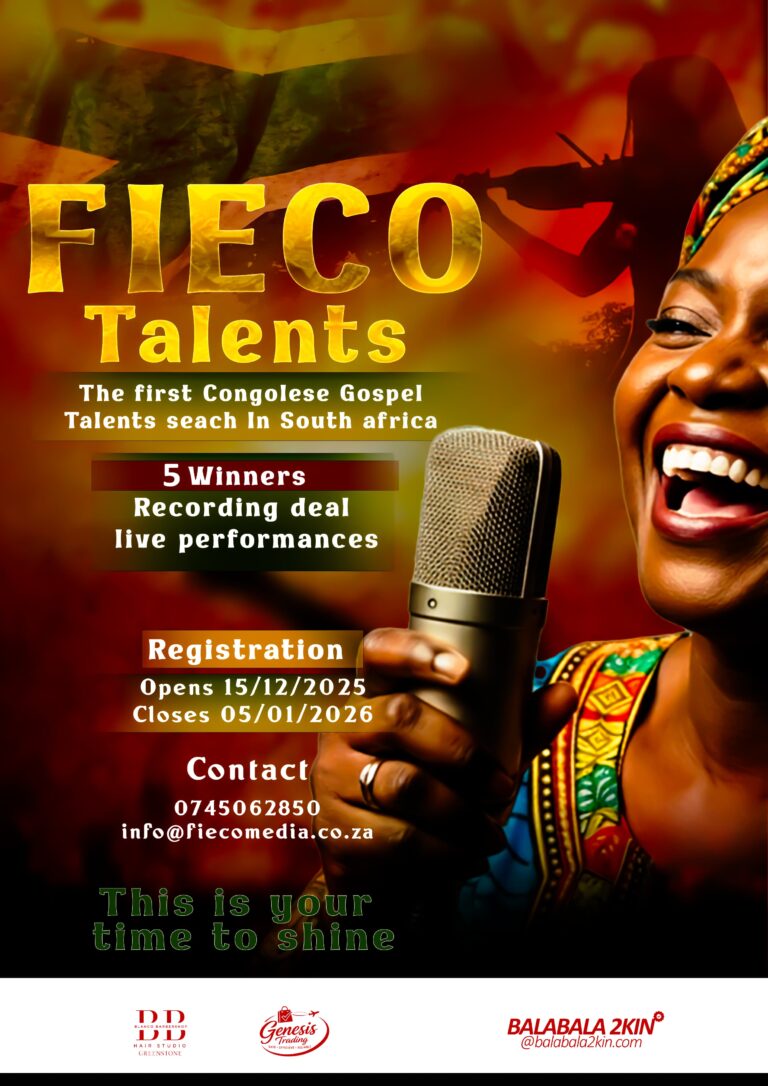
fistonkazadi33_181820
Fieco Talent season 1
27 Déc 2025; 27

Abonnez-vous à notre newsletter
Retrouvez-nous sur les réseaux sociaux


