
Disruption in the face of commoditisation

By info
29 Oct 2019 - 07:56


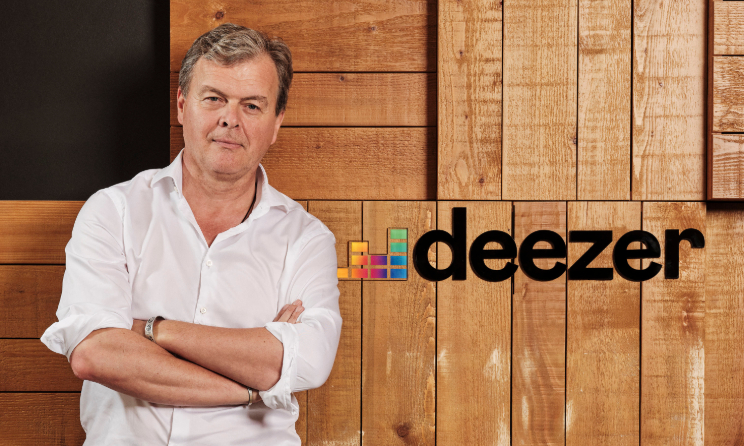
The key to addressing competitive differentiation challenges facing startups globally lies in balancing your mission, your customer focus and keeping your brand and company human, writes Deezer CEO Dr Hans-Holger Albrecht.
The entrepreneurship ecosystem has seen unprecedented growth in the last few years. According to a report by the organisation Startup Genome, the global startup economy has grown by 20% since 2017 and is currently valued at nearly $3 trillion. Thanks to technological advancements, there has never been a better time to experiment, innovate and think outside the box to solve both new and old customer problems across a wide range of sectors.
But while technology has unlocked new possibilities to engage and empower people, it still needs to be married to strong leadership, processes and company cultures to succeed.
Tech innovation has opened new doors but has also created new complex challenges for entrepreneurs looking to make a difference by disrupting current paradigms. For example, while competition is as fierce today as it was a decade ago, disruption has added social and human challenges to the mix that would have been difficult to foresee in the past.
Small companies with big ideas are forced to think and rethink their innovation strategies as they look for the perfect recipe for differentiation that would also contribute towards greater, more meaningful company goals. While this has often benefited the end user historically in terms of choice, it has also put massive pressure on service providers as they fight for share of voice, market leadership and customer loyalty while being faced with the risk of commoditisation.
So, what can startups do to differentiate themselves?
The first element is to constantly look for innovative and creative ways to deliver positive human experiences that not only address customers’ major pain points, but also speak to their needs and wants. Technology has armed startups with advanced tools that can generate data that helps them target the right customers through the right channels. But at the end of the day, it is important to remember that the end user is a real person with real emotions.
So, if those insights don’t help companies elicit a positive emotional response from real people who use their products or services, they will most likely fail in their mission. This relentless focus on customers’ needs to be complemented with a human brand and product experience.
From an early stage itself, startups must ask themselves what they stand for and what their brand story is. Ensuring a strong brand voice that can communicate with customers as humans first, will go a long way towards building those deep and meaningful connections – especially in a world inundated by artificial noises.
Therefore, the key to success in a highly commoditised and competitive world, in a nutshell, is to ‘stay human’ both from an organisational and a product standpoint. To me, that’s the secret sauce that startups must add to every recipe they experiment with in their innovation kitchens.
Dr Hans-Holger Albrecht is the CEO of music streaming service Deezer.


Most popular

Open call: AIR Festival 2026 seeks local talent in Knysna
04 Feb 2026

AI music firms, major labels clash over ‘Walled Garden’ model
04 Feb 2026

YouTube restricts background play to Premium users across all browsers
04 Feb 2026

Bruce Resnikoff appointed UMe chairman, Jamie Krents named CEO
04 Feb 2026

Interview: South African artist Nomisupasta
03 Feb 2026

Apple Music flags 2 billion fraudulent streams amid AI audio surge
03 Feb 2026


Disclaimer: Music In Africa provides a platform for musicians and contributors to embed music and videos solely for promotional purposes. If any track or video embedded on this platform violates any copyrights please inform us immediately and we will take it down. Please read our Terms of Use for more.

Subscribe to our monthly Newsletter
Follow us on social media


