
We hold the Fate of African Music: Yesterday and Tomorrow

By Lucy Ilado
28 Jun 2017 - 10:32


Music in Africa has this month provided a great entry point for anyone interested in learning more about traditional music in Africa. Music was a part of a typical African family either you were taught by your grandparents traditional songs or you may have heard your father play the songs in his Sanyo Boom Box. Whiuchever way most Africans have an idea on their traditional Afriocan Music.
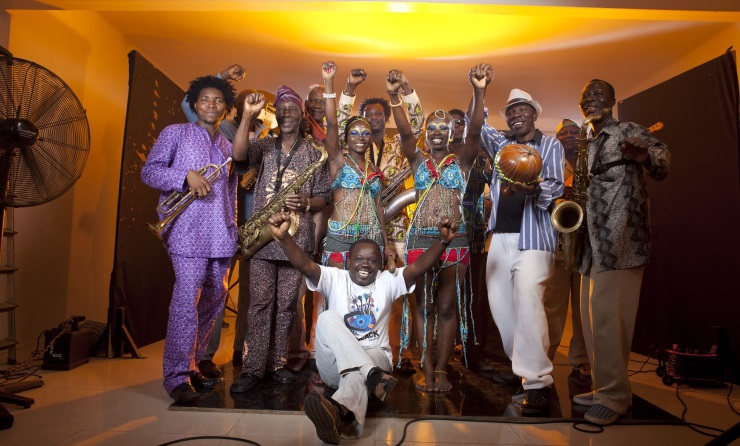
Those were good times, however it feels like ages ago continuance has seen many musicians and bands forgotten never to be recognised by the current generation. Their music is played by the few who choose to wallow in sweet memories of yester years. Where did we hit rock bottom? What happened to the bands that kept our parents and their parents awake all night in discos?.
The rise or fall of famous African music groups can narrowed down to continuance and archiving. Mighty bands Les Ambassadeurs from Mali, L’African Jazz from the Democratic Republic of Congo, The Tempos from Ghana just to name but a few of the bands that rocked the continent, however their success was short lived after the death of the band leaders.
Such bands are non-existent today why? A continuity plan would have ensured that this bands exist to date.
Death of band leaders meant the end of the band.
In Kenya, years of success were wiped out after the death of Habel Kifoto leaders of Maroon commandos is a musical group from Kenya formed in 1970. Sadly Kifoto passed away in 2011, the band was reduced to just a name performing at the barracks.
The success of the bends were buried with them, those left to manage the band were not able to command a great audience. You cannot separate a hen from its chicks, the chicks will die. The death of Congolese Rumba artist Franco Luambo Makiadi meant the end of the legendary TPOK Jazz band that had over 50 members. Being one of the pace-setters of African jazz many assumed that the band would continue with its glory however this was never to be as fans are only left with his recorded peerless music. The truth of the matter is no one would have been able to fit in his shoes but if he had a predecessor then I think the band would have had different transitions to date. When one dies without leaving a will, family members tear each other’s a part because they each want a piece of the fortune left behind.
The main reason as to why TPOK Jazz did not survive was because the family members got involved in the affairs of the band. Simaro Lutumba was the deputy president of the band, he literally ran the band but Franco never publicly came out to proclaim that if he was to ever die, Lutumba would be the best candidate to replace him. The truth is if the family had not interfered with the bands business, if they had continued to enjoy the huge success of the band in terms of money then we would still be looking forward to watching the mighty TPOK Jazz band on stage.
Other famous bands that had their glory cut shot after the leaders died are Congolese Afrisa International Orchestra led by the late Tabu Ley and Viva La Muzika led by the late Papa Wemba. In Tanzania, Morogoro’s band hay days were cut short when its band leader Mabaraka Mwinshehe passed away on 13 January 1979.
Bands formed by more than one person survived longer as did bands owned by one individual
Orchestra Virunga was formed in 1981 by Congolese musician Samba Omar Mapangala popularly known as Samba Mapangala. The band released famous songs like Marina and Vunja Mifupa, unfortunately band members left as others died leaving him alone. He relocated to the USA where he is currently based. He continues to hire short term musicians to perform with him as Orchestra Virunga.
Les Mangelepa is a Rumba musical group in Kenya formed in 1976 with Bwamy Walumona being seen worthy to lead by his fellow members. The group produced hits like Embakasi and Maindusa. In 1986 Walumona left Les Mangelepa after becoming a born again Christian. That did not mark the end of the band in fact other members left while other passed away. However the band still performs both locally and abroad.
Bands with successors have seen better days.
Fela Anikulapo Kuti popularly referred to as Fela, pioneer of the Afrobeat music genre, was leader of Egypt 80 but after his death in 1997 his son, Sean Anikulapo Kuti then only 14 years old, became the lead singer of the band. Eventually he became the band leader. This was welcomed because Fela initiated his son into his life of music at an early age. Seaun says he expressed his interest to work with his dad at the age of nine. Egypt 80 is one of the most commercially successful musical bands in Nigeria with most members having previously performed with his dad before he died.
‘Mcheza kwao hutuzwa’ is a Swahili proverb that encourages people to embrace their tradition and culture. Therefore we must ensure that the Traditional music is kept alive so that our African culture can be passed orally from generation to generation.
Before the emergence of technology African classics from Taarab, Highlife, and Rumba to Wolof were passed on orally, there were schools for on to learn music or how to play a musical instrument. Those who wished to learn music either taught themselves or became protégés to those who were already doing music.
This Month Music in Africa has paid tribute to African Traditional music and dance which is one of the means in which Africans use to safeguard their culture. Music is imperative in African dance, it is because of that, that there are no two words in the English language used to distinguish between the two.
Technology has now made it possible to archive music, the young artists can now have a look at what their predecessors did giving them an idea of the different genres of music available in the continent. The availability of musical projects that safeguard African music has also ensured the archiving of traditional African music.
One such project is The Singing Wells project which involved a team travelling to the villages of East Africa with a bespoke mobile recording studio to record the music and dance performances of individual musicians and music groups in a relaxed and authentic environment. One of the key objectives of the Singing Wells project is to introduce tribal East African music to a new generation of musicians and listeners who might not consider it relevant today.
In February 2017 the project camped in Dar es salaam, Tanzania, after they heard of one family that was making attempts in safeguarding the music and name of Tanzania’s legendary blind percussionist Morris Nyunyusa popularly known as Mzee Morris.
Mzee Morris became the sound of Tanzania Broadcasting News (TBC), every hour for decades news was announced with a drum riff of his drums. The Tanzanian government honored him by creating a specific post for him, he drummed for all visitors to the government.
Using 10 to 12 drums Mzee Morris played his drums like a guitar as every drum represented a note. We have stories of how great African guitarist the likes of Franco Luambo Makiadi hand made their first guitars before they could afford to buy one, the same goes for Morris as he picked the skins for the drums and made them himself finding in each the perfect tone.
Swahili blues artist Leo Mkanyia told the singing wells of how much he admired the Morris “I met him when I was 10 years old but had listened to his drums all my life – his drums are used to announce the news on Tanzania Broadcast Corporation (TBC) hourly news bulletins. At 14 years old, I would sit at my drums just trying to recreate that one riff. It took me three months of non-stop listening to get it down. And that was just 30 seconds of his lifetime of drumming. All I want to do is master his style.”
Mkanyia is one among the many artists who were inspired by Morris’ work. Since his death in 1999 no one has come close to his legendary skills on the drum. However his family has ensured that his legacy lived on through his children and now two of his grandchildren have embraced his love for music and dance.
According to the singing wells project, his son Raphael Nyunyusa created the Nyunyusa Dancing Troupe, which includes two of Mzee Morris’s grandsons, Abdala Nyunyusa Morris on vocals and Rajab Ali Nyunyusa Morris who is the only percussionist among Mzee Morris’s off springs. He plays 12 drums.
Ali’s skills on the drums is not the only fascinating thing about the group, the dancers perform the famous snake dance which is famous among the communities northwestern part of Tanzania.
Unlike the Ethiopian snake dance which emulates the movement of the snake, this particular dance has the dancers play around with snakes. Occasionally the snake is set upon the audience but one of the dancers pulls it back by the tail just before it strike making the whole routine comical.
More about Raphael and his dancing group has been highlighted on the book ‘Tanzanian Writers and Their Country’ by Bridgette Kasuka. Unfortunately not all great African musicians and bands have had their works well archived, Raphael with the help of his sons has ensured that his father’s legacy lives on, regrettably we rarely get to hear of such success stories.
References:
Recording, archiving and sharing the traditional music of East Africa
http://www.ketebulmusic.org/


Most popular

Open call: AIR Festival 2026 seeks local talent in Knysna
04 Feb 2026
AI music firms, major labels clash over ‘Walled Garden’ model
04 Feb 2026
YouTube restricts background play to Premium users across all browsers
04 Feb 2026
Bruce Resnikoff appointed UMe chairman, Jamie Krents named CEO
04 Feb 2026

Interview: South African artist Nomisupasta
03 Feb 2026

Apple Music flags 2 billion fraudulent streams amid AI audio surge
03 Feb 2026


Disclaimer: Music In Africa provides a platform for musicians and contributors to embed music and videos solely for promotional purposes. If any track or video embedded on this platform violates any copyrights please inform us immediately and we will take it down. Please read our Terms of Use for more.

Subscribe to our monthly Newsletter
Follow us on social media


Please log in to post a comment.