
Women in SA feel marginalised and unsafe, SAMRO study finds

By Ano Shumba
30 Aug 2022 - 12:02


The Southern African Music Rights Organisation (SAMRO) has officially released a report showing that women remain poorly represented in the music sector.
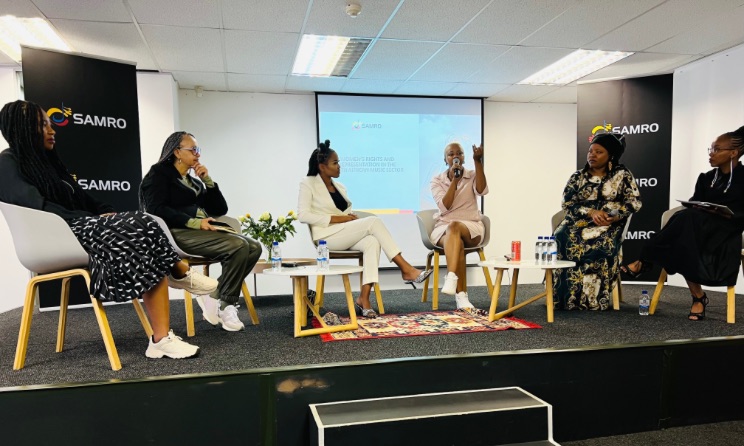
Presented on 30 August at the SAMRO offices in Johannesburg, the Women’s Rights and Representation in the South African Music Sector report was conducted by gender equity consultants Tara Transform.
The research was prompted by a survey conducted by SAMRO last year, which showed that women made up a minority of the collective management organisation’s membership. As a result of this imbalance, SAMRO commissioned the research to better understand the experiences and views of women in the music industry.
The study found that women are largely excluded from key decision-making positions in the industry and face numerous challenges that result in their marginalisation when compared to their male counterparts.
“It is hoped that this study on the rights and responsibilities of women in the South African music industry provides a foundation for further work so that women can take their rightful place in a more equitable industry,” SAMRO CEO Mark Rosin said.
The report also identified a number of issues affecting women, ranging from stereotypical beliefs about women to a lack of female producers, directors and composers. In addition, it addresses the perceived pay disparity between women and men in similar positions as well as sexual harassment and the exploitation of women.
“Women do not feel safe in South Africa in general, but their safety concerns are exacerbated within the music industry,” SAMRO said. “The majority of live performances take place at night, in spaces where alcohol consumption is involved and women’s safety is limited.
“It’s not all bad news though. Women are mobilising more and being heard more as they confront the patriarchal norms. The jazz and DJ sectors have seen an increase in the number of active women artists, and the growth of digital media has opened safe spaces and new avenues for women to operate.”
As part of its recommendations, the study urges diversity, policymaking and changes in the cultural sector by organisations and music industry leaders.
“In addressing gender-based violence and sexual harassment, the most practical starting point is in creating female friendly resources and safe workspaces,” the report says. “It encourages SAMRO and other organisations in the music industry to use their voices to combat the ongoing challenges of gender-based violence and harassment in the sector.”
The official release of the report included a panel discussion featuring Assali Music founder and singer Berita, Basadi Music Awards founder and managing director Hloni Modise, Women in Music South Africa co-founder and chapter chair Tumi Mogapi, Business Arts South Africa head of programmes Boitumelo Motsoatsoe, Tara Transform representative Shireen Motara and SAMRO archive specialist Nandipha Mnyani.
The full Women’s Rights and Representation in the South African Music Sector report can be downloaded below (PDF).


Most popular
Open call: AIR Festival 2026 seeks local talent in Knysna
04 Feb 2026
AI music firms, major labels clash over ‘Walled Garden’ model
04 Feb 2026
YouTube restricts background play to Premium users across all browsers
04 Feb 2026

Bruce Resnikoff appointed UMe chairman, Jamie Krents named CEO
04 Feb 2026
Interview: South African artist Nomisupasta
03 Feb 2026

Apple Music flags 2 billion fraudulent streams amid AI audio surge
03 Feb 2026

Disclaimer: Music In Africa provides a platform for musicians and contributors to embed music and videos solely for promotional purposes. If any track or video embedded on this platform violates any copyrights please inform us immediately and we will take it down. Please read our Terms of Use for more.

Subscribe to our monthly Newsletter
Follow us on social media


Please log in to post a comment.