










By Joseph Mtingwi
This text provides an overview of the live music scene in Malawi. When Malawi gained its independence in 1964, there was no such thing as recording studios - so it was live music that dominated. The country’s first president, Dr Hastings Kamuzu Banda, would invite people of various ages from all over Malawi and musicians had to perform before him and his colleagues. Live music performances were so powerful in the country because there was no single recording studio in the country, so talented musicians were forced into live performances to make a living.

To prove how live music performance has played a major role in the country’s musical history, renowned producer Marvin Hanke, who worked with the Malawi Broadcasting Corporation (MBC) from 1975 to 1999, recalled how tedious the task of recording music once was due to the lack of recording equipment. Veteran musicians such as Wyndham Chechamba, Dr Daniel Kachamba (late), Wambali Mkandawire, Allan Namako, Sir Paul Banda, Lucius Banda, Skeffa Chimoto and Mlaka Maliro, rose to the spotlight largely through live performances because that was the only way to be noticed before the 1990s[i].
It was the South African company Gallo that first came to Malawi to record local artists’ music. Later, other recording studios were established, such as MBC Studios, Studio K, Studio 10, IY Studio and Baptist Media. Today, despite that fact that there are many recording studios in Malawi, live music remains popular in the country. With improved technology, piracy has also risen. Malawian artists have realised that if they are to make a living from their music, live performances are still crucial as they cannot rely on selling their recordings - not unlike the situation in the past.
Malawi has also become quite a popular destination on the international touring circuit, with artists from other countries coming in to perform. Some of the recent big names to have performed in the country include Pop Dogg, a Malawian based in the US, Zambia’s Dalisoul, Nigeria’s Davido and P-Square, and South Africa’s Mafikizolo, Professor, DJ Cleo and Zahara.
Venues
Music is performed at nightclubs, open grounds, restaurants, hotels, warehouses and in streets. Popular live music venues in Blantyre include Moth Club[ii], Doogles Lodge[iii], Motel Paradise[iv], Dorvic Hotel[v], Afro Motel[vi] in Blantyre, Limbe Country Club[vii], Robins Park[viii], Club Mustang Sally[ix], Ozone Refreshment Centre[x] in Machinjiri, Shire Highlands Hotel[xi] and the Malawi College of Medicine[xii].
In the capital of Lilongwe, venues include Club 47[xiii], Waka waka Hotel[xiv] and the Lilongwe golf Club[xv]. In the northern city of Mzuzu, live music can often be heard at the Grand Palace Hotel[xvi], Key Lounge restaurant and bar[xvii] and at Mzuzu University’s Boma Park[xviii].
Elsewhere, in the small town of Balaka, the Zembani Lodge[xix] is owned by musician Lucius Banda.
Festivals
Besides the venues where live music can often be experienced, Malawi is also home to several annual musical festivals. The biggest of these is the Lake of Stars festival, held annually around September or October since 2004 in various locations on the shores of Lake Malawi. This festival features a diverse and exciting line-up of musicians and attracts various sponsors to fund the event. The 2015 edition takes place on 25-27 September[xx]. It is accompanied by another event in Lilongwe known as City Of Stars.
Another major festival is the Blantyre Arts Festival, which focusses not only on music but attracts international and local artists. The festival takes place over three or four days, although its exact dates usually vary. The 2015 edition takes place between 2 and 4 October[xxi].
A smaller, less established event is the Likoma Festival (Li-Fest) on Likoma island over the Easter weekend. It is aimed at promoting tourism to the island district (and the country in general) while providing locals with an opportunity to learn, earn, enjoy and advance their lives. The second edition of the festival takes place on the weekend of 3-5 April 2015[xxii].
The Carlsberg Street Bash is a popular street party. It disappeared for almost 10 years but in 2014 was brought back to streets of Blantyre (31 December), then Lilongwe (25 July) and finally Mzuzu (4 April).
Live Music Promotion
Despite Malawi thriving music scene, unfortunately there are not many promoters in the field of live music. The biggest live music promotion company in the country is Entertainers Promotions, owned by Jai ‘Mr Entertainer’ Banda. Most popular live music shows are organised by them.
Smaller but successful promoters include Nde’feyo Entertainment[xxiii], a label that signs urban musicians. Blantyre-based Myuziki Pusha Entertainment[xxiv], owned by artist Biggie Lu (aka Lumulie Mwamondwe), is also known for organising live shows for upcoming artists, especially at colleges and universities.
Challenges
There are a number of challenges facing the live music scene in Malawi. For starters, the country’s live venues (some of which have been mentioned above) are typically not big enough to accommodate everyone when a popular band is performing. Top artists tend to lose out on income at these venues, as people turn back and go home when they see the venue is full. Another challenge for most Malawian artists is a lack of equipment. There are only a few bands in the country that own proper live equipment, including Black Missionaries Band, Skeffa Chimoto’s Real Sounds, Alleluyah Band, and a few others. When other less established artists take to the stage, one can often hear this problem due to the poor sound quality of their equipment.
Piracy is also hindering the development of live music in Malawi because once someone makes an illegal copy of a certain album, most will prefer to buy this much cheaper pirated version than to go see a live performance, which will cost them more than a CD. Most Malawians are still not used to a lifestyle of going out to have fun, so they would rather stay indoors and watch something on TV rather than going there to experience it live. This is a cultural problem that needs to change if musicians are to maximise earnings from live performances.
There is also serious of lack of support from both the Musicians Association of Malawi[xxv] and the government of Malawi. They do little to promote music in general. For example, combating piracy is generally left to the musicians themselves and you rarely hear these two parties stepping in to intervene.
Despite these setbacks, the live music scene in the country is growing at quite an impressive rate, with a number of artists performing outside the country regularly. For example, the Black Missionaries band have on several occasions performed in the United Kingdom, among other countries. Skeffa Chimoto and the Real Sound Band have also performed outside Malawi on several occasions. Sir Lucius Banda and upcoming artists who are organising live shows in secondary schools, colleges even with no good equipment but you can tell that they have talent to make it big.


Most popular

54 African Mamas bring ‘I Can Beyond the Mic’ Summit to SA for landmark 2026 Edition
17 Jun 2026

Universal Music Group rejects Bill Ackman takeover proposal
02 Jun 2026

Open call: ESWACOS creative industries development fund grants
02 Jun 2026

Black Coffee marks major European performances in France, UK
02 Jun 2026

Tyla and Future drop ‘Game Time’ for official FIFA World Cup 2026 Album
02 Jun 2026
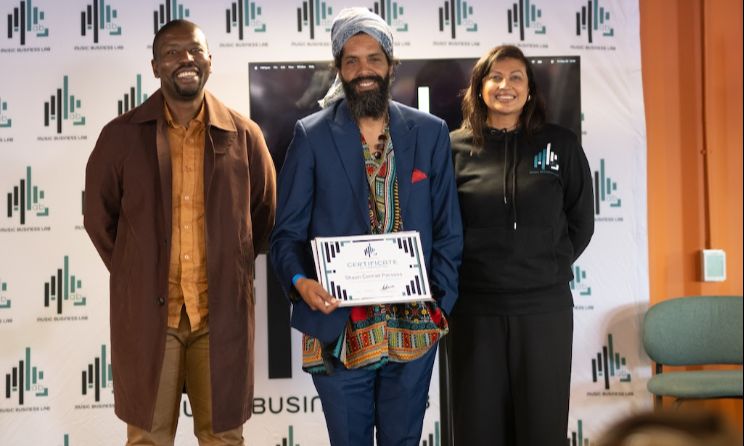
Music Business Lab, SAMRO programme graduates 50 music entrepreneurs
02 Jun 2026


Disclaimer: Music In Africa provides a platform for musicians and contributors to embed music and videos solely for promotional purposes. If any track or video embedded on this platform violates any copyrights please inform us immediately and we will take it down. Please read our Terms of Use for more.

Subscribe to our monthly Newsletter
Follow us on social media


Please log in to post a comment.