
Music censorship in Africa

By Music In Africa Foundation
01 Jan 2019 - 14:16

Music is one of the most effective ways to bring about social and political change. This is particularly true in Africa where socio-political challenges define the general atmosphere on the continent. This is why a big portion of African hip hop can be defined as 'conscious' and in touch with the gamut of problems facing ordinary people in many African countries.
The lyrical content in hip hop songs, as well as in many other genres, does not often sit well with those in power, with many governments passing and upholding controversial laws designed to silence the voices of artists who want to see better governance in their countries.
Many of these laws are disguised as ones based on grounds of morality, religion and age-old cultural norms. The excuse in the enactment of such laws is that the songs and artists they target are responsible for corrupting the youth and sowing discontent among the populace. And although governments may sometimes be correct in their assessment of profanity or adult continent, many of them are seen blatantly using broad censorship laws to stifle freedom of expression and criticism where it is mostly needed.
Uganda, Tanzania and Egypt, among many other African countries, are prime examples of unjust censorship enforced upon artists, many of whom are banned from playing live, releasing their music or partaking in public dialogues around politics.
It goes without saying that musicians themselves have a responsibility to speak truth to power in a mature and constructive manner; many artists, in their efforts to be social justice activists, miss the mark by being inordinately outrageous and in the process end up offending even those whom their messages are meant for. This is where the censorship vs freedom of expression dialogue asks a number of important questions: where do we draw the line and should governments be the ones dictating what constitutes acceptable and unacceptable artistic expression?
At any rate, with the likes of YouTube and hundreds of other streaming services, governments can do little to control the publishing of content; when they censor artists, all they do is show their authoritarian leanings and promote the very content they want to silence.
At Music In Africa we take music censorship as a serious issue. We strive to share with our readership stories (added below) that are themselves censored by the media in the countries they take place. We also provide various research texts about music censorship, with a view to provide objective clarity for music fans and professionals alike.
- Freemuse condemns Uganda’s censorship law
- Uganda censorship law set to bolster Bobi Wine’s popularity
- Tocky Vibes criticises Zim army in Zvitori Nani
- Freemuse condemns closure of Moroccan cultural organisation
- Freemuse report exposes shocking realities facing female musicians
- Music censorship in Northern Nigeria
- Cultural activism in Northern Nigerian music
- Religion and music in Northern Nigeria
- Implications of conflict in the Malian music industry
- Popular music and the challenges of freedom of expression in Kenya
- What’s going on with the Burundi music industry?
- Bebe Cool ‘has right to freedom of opinion’
- Wearing trousers gets Sudanese singer in trouble
- Tanzanian singer arrested for indecent footage
- Music in the Eritrean media
- Malawi’s cultural policy
- Music in the Rwandan media
- Music and the Ethiopian media
- Music censorship and surveillance in apartheid South Africa


Most popular
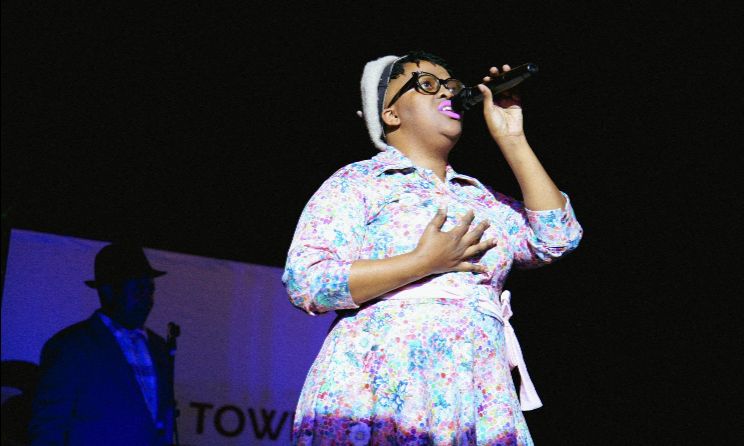
Open call: AIR Festival 2026 seeks local talent in Knysna
04 Feb 2026
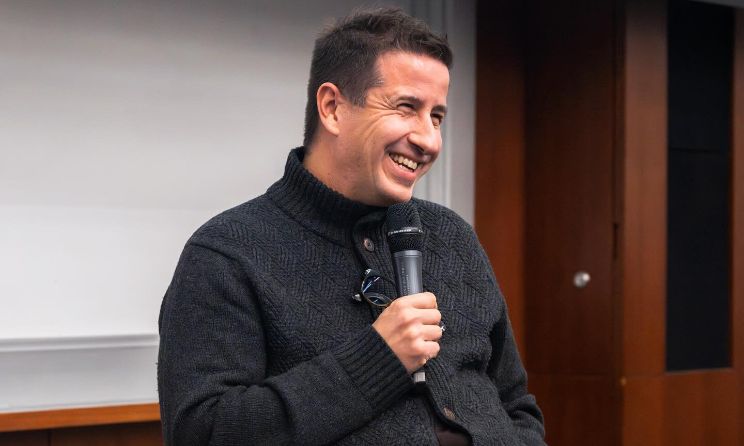
AI music firms, major labels clash over ‘Walled Garden’ model
04 Feb 2026
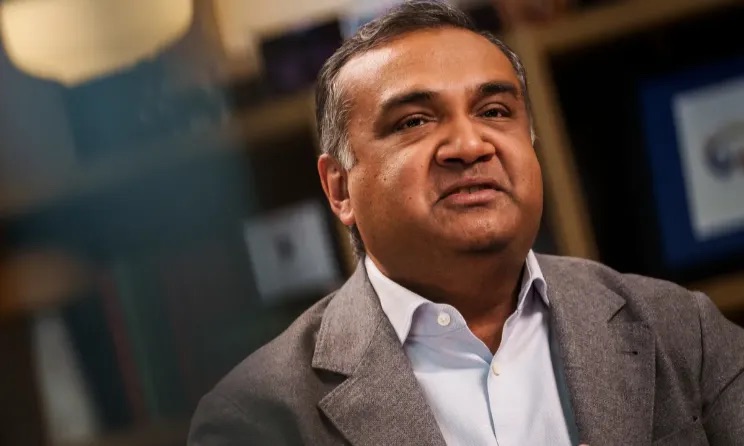
YouTube restricts background play to Premium users across all browsers
04 Feb 2026
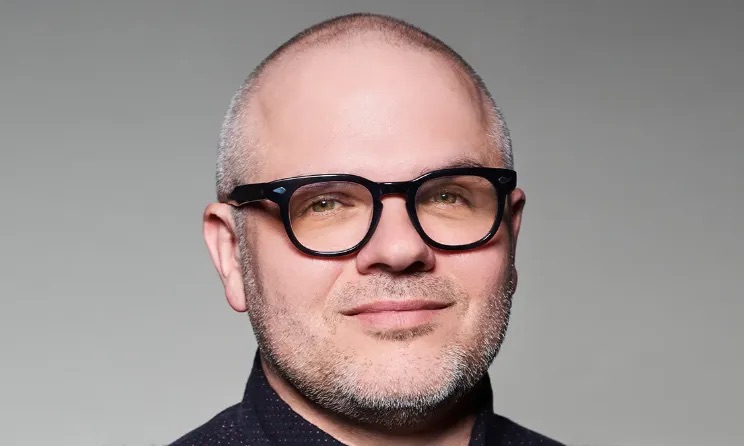
Bruce Resnikoff appointed UMe chairman, Jamie Krents named CEO
04 Feb 2026
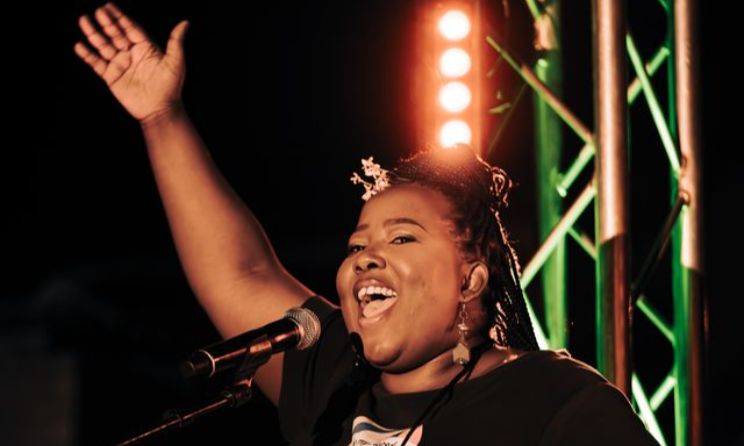
Interview: South African artist Nomisupasta
03 Feb 2026
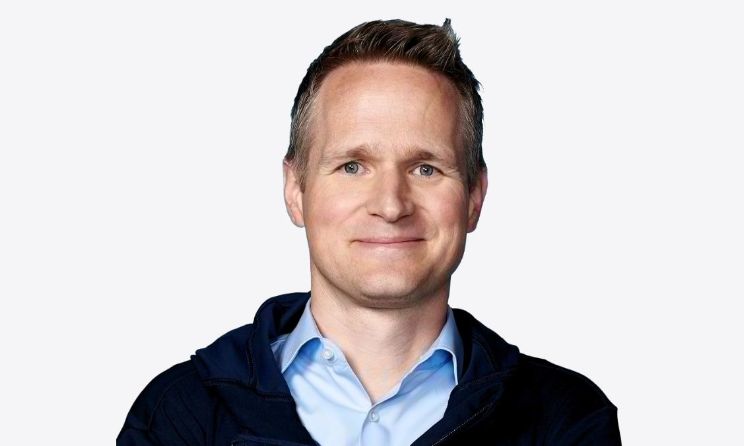
Apple Music flags 2 billion fraudulent streams amid AI audio surge
03 Feb 2026

Disclaimer: Music In Africa provides a platform for musicians and contributors to embed music and videos solely for promotional purposes. If any track or video embedded on this platform violates any copyrights please inform us immediately and we will take it down. Please read our Terms of Use for more.

Subscribe to our monthly Newsletter
Follow us on social media


Please log in to post a comment.